


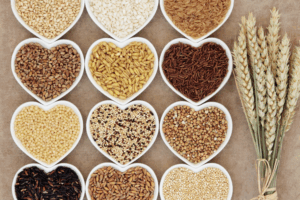
 When it comes to grains, we recommend making at least half of them whole.
September is Whole Grains Month, so we’re celebrating the delicious, nutritious and accessible world of whole grains. The evidence is clear that whole grains reduce risks of heart disease, stroke, cancer, diabetes and obesity. Replacing refined grains with whole grains can improve cholesterol, blood sugar, and markers of inflammation.
Another benefit of swapping out refined grains in favor of whole? The taste! In our most recent 2025 Whole Grain Consumer Insights Survey, we found that the share of consumers choosing whole grains specifically for the delicious flavors has been steadily increasing and is now up to 43 percent.
 “With decades of nutrition research demonstrating the health benefits of whole grains, few consumers are surprised to hear that whole grains are a healthy choice – but many whole grain newcomers are impressed to find how much they enjoy and appreciate the fuller, nuttier taste of whole grains,” explains Whole Grains Council director, Caroline Sluyter. “As nutritious, delicious, sustainable choices, the benefits of whole grains are hard to beat.”
 Reaping the flavorful and healthy benefits of whole grains doesn’t have to be complicated. Whole Grain Stamp Program Manager, Vik Bensen notes: “Contrary to popular belief, whole grains are simple to cook and are a great way to bring variety to your diet. They’re a smart choice for cooks of any skill level, bringing meals to life by boosting both flavor and nutrition.”
If you’re looking for ways to make half of your grains whole, here are some easy swaps to consider making in your day-to-day:
Brown rice instead of white rice
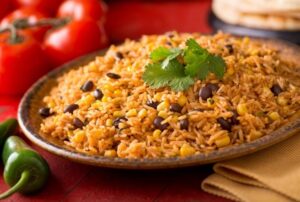 As far as swaps go, this one is simple. Some might shy away from brown rice because it cooks slightly differently than white, but that’s just because all three parts of the grain (bran, germ, and endosperm) are still intact! Refining a grain – as with white rice, which no longer has its bran or germ – removes about a quarter of the protein in a grain, and half to two thirds or more of a score of nutrients. In fact, brown rice has more than twice as much fiber, potassium, vitamin B6, and magnesium as refined white rice.
To learn how to cook brown rice and other whole grains, check out our simple guide.
Jagacida (Cape Verdean Beans and Rice)
Whole grain pasta instead of white pasta
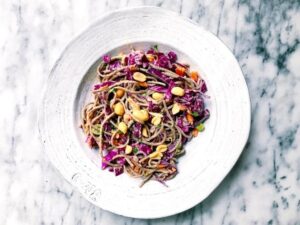 Wheat is by far the most common grain used in breads, pastas and other grain foods eaten in the United States, and increasingly the rest of the world. This also means making a wheat swap is an accessible and easy way to add more whole grains into your diet!
Try making whole wheat pasta a pantry staple, if you haven’t already. Additionally, there are pasta options made from whole grains other than whole wheat: look for buckwheat, or soba noodles, which pair beautifully with flavors of the Asian heritage diet.
Whole Wheat Fusilli with Kale Pesto
Whole grain flour instead of refined flour
 White all-purpose flour is likely the most common kind in most pantries. There are so many ways to make use of whole grain flours instead – and you may find making this simple ingredient swap expands your baking horizons greatly.
Flour can be made with whole wheat, oats, teff, sorghum and more. If you have a grocery store nearby that offers various whole grain flours, try experimenting with adding small proportions at a time to your baked goods as you figure out which ones you like most. And remember, grinding whole grains into flour doesn’t make them any less whole, because the bran, germ, and endosperm are all still present in their original proportions, meaning their nutrients are all still there!
Additionally, whole grains can show up in other ways while baking. Instead of topping a crisp or crumble with all-purpose flour, try using oats instead, like in this Easy Peach Crisp. Or, look for recipes like this Amaranth Banana Walnut Bread where whole grains can be added straight into the dish, no special flour required.
Whole grain sandwich bread instead of white bread
 Sandwiches are the perfect vessel for any flavor, and that begins with the bread! Instead of using white bread, try reaching for bread made with whole wheat, spelt, rye – there are so many delicious and interesting whole grain options out there! Plus, if you want to try making your own bread, you’re afforded even more flexibility.
Remember: bread isn’t the only way to sandwich a sandwich. Try tortillas or pitas made with whole wheat, or whole grain corn tortillas.
Mediterranean Chicken Sandwich
Summer Radish Sandwich with Hummus and Sambal
Whole grain crackers instead of refined grain ones
 Whether you prefer your crackers full of texture, light, or somewhere in-between, there are so many wonderful whole grain options on grocery store shelves now – many of which use the Whole Grain Stamp! If you see the Stamp on a product, you can be sure there are whole grains within. You can easily reach your recommended daily serving of whole grains by eating 3 products with the 100% Stamp.
However, even if the Stamp is not on a product, look at the ingredient label and compare with our guide of common phrases that mean a product contains whole grains (and some sneaky ones that don’t).
Crackers can also be made at home, using whatever whole grains and/or whole grain flours you have on hand. They’re a wonderful way to get whole grains in, especially when paired with a nutritious dip.
Ultimately, the world of whole grains is both vast and accessible to enter. By making these simple swaps and trying to make half of your grains whole, you’re already on your way. For those who want to dive a little deeper, check out our book, Whole Grains Around the World – a four-week menu plan that will allow you to travel the globe via whole grains – and follow the Whole Grains Council on Instagram for festivities spanning all September!
Happy Whole Grains Month!


Leave a comment