


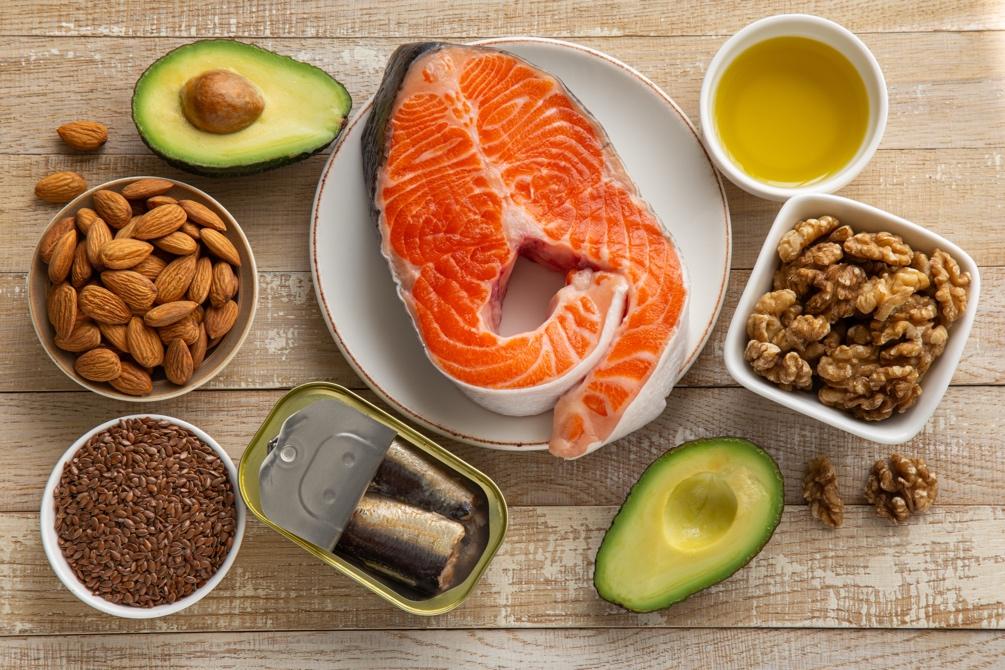
In the 1990s, when low-fat and no-fat foods dominated the wellness landscape, Oldways offered a strikingly different vision for nutrition, one grounded in both science and tradition. It was of course, the Mediterranean Diet, a delicious and nutritious eating pattern that prominently featured olive oil, nuts and other healthy plant foods – a far cry from the low-fat diets of yesteryear.
Today, people are embracing dietary fat like never before, and Oldways remains steadfast in helping to cut through the noise. The thing to remember when figuring out how dietary fats fit into a healthy diet is that quality is more important than quantity, and that different types of fats have different impacts on your body. As in decades past, the Mediterranean diet offers a delicious blueprint for balanced meals in which healthy fats play a significant nutritional, historical and cultural role.
Which fats are healthy?
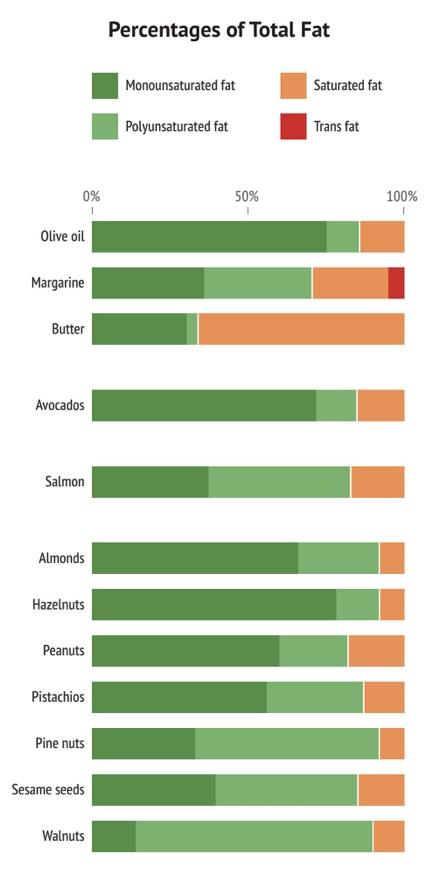 Don’t get caught up in the debate between whether “low-fat” or “high-fat” diets are better. One of the key points of agreement in scientific studies is that diet quality (the type of fat) is much more important than the amount of fat in the diet.
The two types of fat that are required in our diet because our bodies cannot produce them are omega-3 fatty acids (a type of polyunsaturated fat found in fish and some nuts) and omega-6 fatty acids (a type of polyunsaturated fat found in nuts, seeds, eggs and some oils). Although monounsaturated fats (found in olive oil and avocados) are not technically essential because our bodies can make them, research shows that they’re an important part of a healthy diet and can reduce the risk of diet-related disease.
On the other hand, saturated fats (found in red meat, butter and lard) and trans-fats (found in margarine and some highly processed foods) are linked with poor health outcomes. In a rigorous Cochrane review of 17 studies, reducing saturated fat (the type of fat in red meat, butter, coconut oil and beef tallow) in people with high cardiovascular risk was linked with significantly lower mortality and major cardiovascular events, especially when the saturated fat was replaced with polyunsaturated fat (the type of fat found in nuts, fish and some oils).
One way to make sure you have a higher proportion of healthy fats in your diet is to follow the Mediterranean Diet Pyramid. Here are the foods with polyunsaturated and monounsaturated fats to add to your grocery list:
Extra Virgin Olive Oil
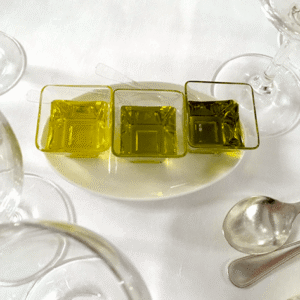 Any chef will tell you that vegetables prepared in extra virgin olive oil have more flavor, and now, scientists recognize that they offer more nutrition as well, by increasing the antioxidant content of a meal. Similarly, research shows that cooking tomatoes in extra virgin olive oil helps our bodies to better absorb the lycopene (a type of antioxidant found naturally in tomatoes) than tomatoes cooked without extra virgin olive oil.
The term extra virgin olive oil means that the olive oil has been made by mechanically crushing olives to separate the liquids from the solids, then further separating the liquids into water and oil, without the use of chemicals or heat. This is why extra virgin olive oil retains so many antioxidants, even after cooking.
In a traditional Mediterranean Diet, extra virgin olive oil is the primary cooking oil (instead of butter, margarine, lard or other vegetable oils); one of the reasons why this diet is linked to longevity could be that extra virgin olive oil contains those heart-healthy monounsaturated fats we mentioned earlier. People who eat olive oil daily have a lower risk of dementia-related death and a lower risk of heart disease.
Nuts & Seeds
 Throughout the Mediterranean, nuts and seeds find themselves nestled in all manner of recipes, from pasta meals to soups to desserts. In Spain, the heart-healthy fats in nuts help add body to sauces, like the roasted red pepper Romesco sauce; soups, like ajo blanco (a white gazpacho thickened with almonds); and even cakes, such as the Tarta de Santiago, an almond cake. In other parts of the Mediterranean, nuts show up in pesto sauce, muhammara dip, and dukkah seasoning, just to name a few.
There is no “healthiest” nut or seed, as each kind brings different nutrients to the table. Walnuts are one of the few plant sources of omega-3 fatty acids, while peanuts have some of the highest protein levels among nuts. Almonds are high in vitamin E, an antioxidant that may help to reduce the risk of heart disease, while sesame seeds have some of the highest levels of phytosterols, the compound that helps lower the “bad” type of cholesterol, compared with most other nuts and seeds. Eat a variety of nuts and seeds as part of your regular diet to experience the fullest range of nutrients and flavors.
Fatty Fish
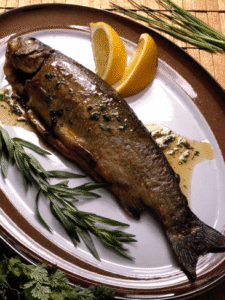 Nearly two dozen countries border the Mediterranean Sea, so it’s not surprising that fish and seafood feature prominently in the Mediterranean diet. If you’re new to cooking seafood, you can’t go wrong by brushing fish with a simple marinade of olive oil, lemon juice, salt, pepper and herbs before cooking. After just a few bites, you can practically feel the ocean breeze in your hair.
Fatty fish are the best places to find essential omega-3 fatty acids in your diet, as they have the highest concentration of these omegas per serving of any food. To remember the fish that have the highest levels of omega-3s, remember the acronym SMASH: sardines, mackerel, anchovies, salmon, and herring. Omega-3 fatty acids reduce blood cholesterol levels, reduce the body’s inflammation responses, and promote the health of many body systems such as the nervous and cardiovascular systems.
Avocado
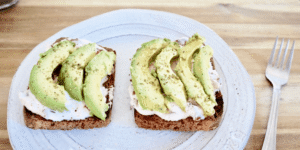 Avocados have a fat profile very similar to extra virgin olive oil in that most of the fat is monounsaturated. Eating avocados can help keep your overall dietary pattern aligned with the Mediterranean diet as they share a similar type of heart-healthy fat, while also providing fiber, vitamins and minerals that you find in plant-forward, Mediterranean cuisine. While avocados weren’t traditionally a part of Mediterranean meals generations ago, they grow alongside Mediterranean crops such as lemons and olives in regions that share a Mediterranean climate.
Avocados also get along well with other Mediterranean ingredients. They help balance a citrus and melon fruit salad, they make the most delicious creamy base for a pasta sauce, they dress up a salmon and bean salad, and they work with any number of hearty pita sandwiches or tartines.
What about seed oils?
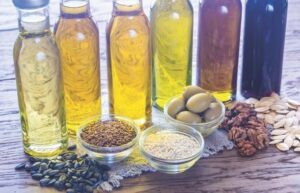 Vegetable oils such as canola oil, soybean oil and corn oil are sometimes referred to as seed oils. Seed oils contain omega-6 fatty acids, which, like omega-3 fatty acids, are essential for body functions and need to be sourced from diet.
Like extra virgin olive oil, most of the fat in seed oils is unsaturated. Unlike extra virgin olive oil, seed oils do not offer the same level of healthy polyphenols or antioxidants.
At Oldways, we tend to recommend extra virgin olive oil for both flavor and nutrition. But if seed oils are all you have at the moment, they will get you closer to the overall Mediterranean dietary pattern than animal fats like tallow, lard, or butter will.
Rather than worry about meeting a particular nutrient goal, lean into Mediterranean foods and flavors and trust that the numbers will (almost always) take care of themselves. While it was the remarkably low rates of cardiovascular disease that put the Mediterranean diet on the map nearly a century ago, the full-flavored dishes are what make this eating pattern so irresistible year after year.



Leave a comment