


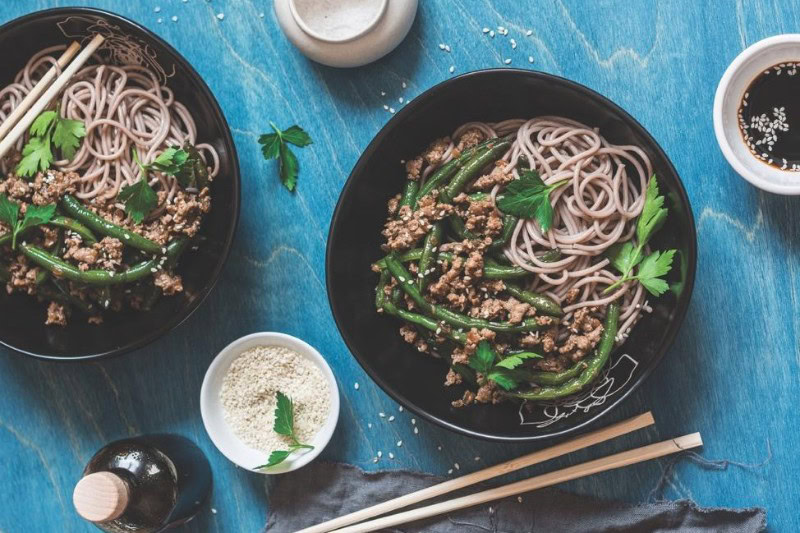
While rising grocery costs feel like a modern problem, getting a little bit of meat to stretch is in our DNA. Throughout history, numerous circumstances made meat less available and gave it a less prominent place in the diet, while affordable staples and seasonal crops instead played a starring role in cuisines. Whether due to lack of cold chain refrigeration, scarcity-driven costs, times of war, or periods of religious fasting, many families learned to make do with less and instead rely on plant protein sources for flavor and nutrition.
As we look for ways to address the challenges of modern living (like high grocery spending, diet-related disease, and climate change), the recipes of our ancestors provide a path forward. Inspired by different heritage diets and the wisdom of home cooks who came before us, here are four strategies for making small amounts of meat stretch:
Embrace Asian Heritage Diet Flavors in a Stir Fry
Stir frying is a cooking technique in which foods are cooked quickly at high heat over a large, rounded skillet called a wok. So long as you don’t crowd the pan, the exact ratio of vegetables to meat or seafood is a matter of taste – your taste! For this reason, it’s the perfect technique to turn to when you have a little bit of meat that you want to stretch into a full meal. Simply go heavier on the vegetables and toppings, thinking of meat as more of a garnish.
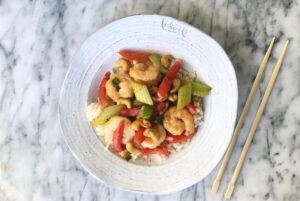 This Cantonese-inspired cashew stir fry is a great starting point. With sweet red bell peppers, tender celery, and crunchy cashews, the dish is a symphony of flavor and texture before any meat or seafood gets added. A small amount of animal protein, like chicken, pork, or shrimp, will add depth, but a heavier hand with meat would disrupt the harmony of the dish. Served alongside a steaming bowl of jasmine brown rice or over a bed of whole grain lo mein noodles, you’ll have a satisfying, well-balanced meal.
Fill Tacos and Tostadas with Latin American Heritage Ingredients
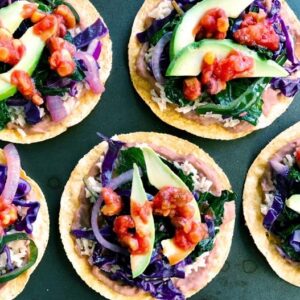 Tortillas are an ideal vessel for beans, vegetables, salsas, cheeses, and if there’s still room, a little bit of meat. Spread refried beans and a spoonful of brown rice on a whole grain corn tortilla or tostada. Top with sautéed cabbage, chard and poblano peppers. Finish with your favorite salsa, some fresh avocado slices, and a spoonful of shredded, grilled or ground meat.
Vegetable-forward tostadas like these are also a great way for families or friends to customize their own dish, allowing small amounts of meat to stretch alongside other colorful options. With an abundance of plant-based toppings, there won’t be much real estate left for meat anyway.
Transport Your Tastebuds to the Mediterranean with Healthy Pasta Meals
Pasta meals are a fantastic way to make a small amount of meat stretch, letting crowd-favorite pasta shapes and seasonal vegetables take center stage! You can make a pasta salad or pasta primavera with colorful vegetables and small pieces of sautéed chicken or sausage.
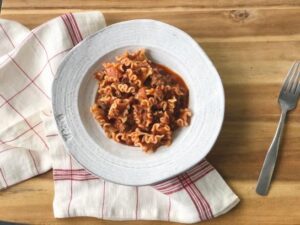 One of our favorite tricks for making meat stretch in bolognese or ragù-style sauces is using a mixture of half ground meat, half finely diced mushrooms, as in this recipe. The mushrooms contribute a savory umami taste that meat is known for, while helping reduce calories and saturated fat and increasing the proportion of vegetables. It’s the best of both worlds!
Build Your Own Bowls with African Heritage Ancient Grains and Greens
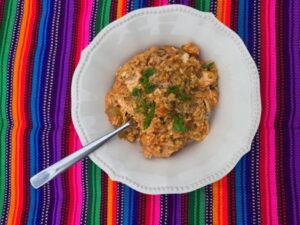 Many ancient grains, from millet to sorghum to teff, can trace their roots to the continent of Africa. African heritage foods and flavors are the perfect inspiration when building a grain bowl that is heavy on flavor and light on meat. Try millet with crispy chickpeas, harissa- roasted sweet potatoes, kale, cilantro and peanut dressing. Or perhaps coconut brown rice with red beans, mango, boiled plantains and coconut mustard greens with lime. The possibilities are endless!
You can add a small amount of meat or seafood to your bowl as a garnish, such as grilled chicken or blackened salmon. But it’s the grains, greens, and sauces that will really steal the show.
Around the world, our ancestors were experts at coaxing small amounts of meat into delicious, abundant meals. Try a heritage diet-inspired recipe like those above, and you’ll find that, when it comes to meat, less is more!


Leave a comment