



Here at Oldways, we love celebrating the history and heritage of foods, and International Raw Milk Cheese Appreciation Day is no exception. Every third Saturday of October we celebrate the diversity and deliciousness of cheeses made with raw milk. Read on to learn more about raw milk cheese, their connection to heritage diets and how to start incorporating their delicious flavors into meals.
What Is Raw Milk Cheese?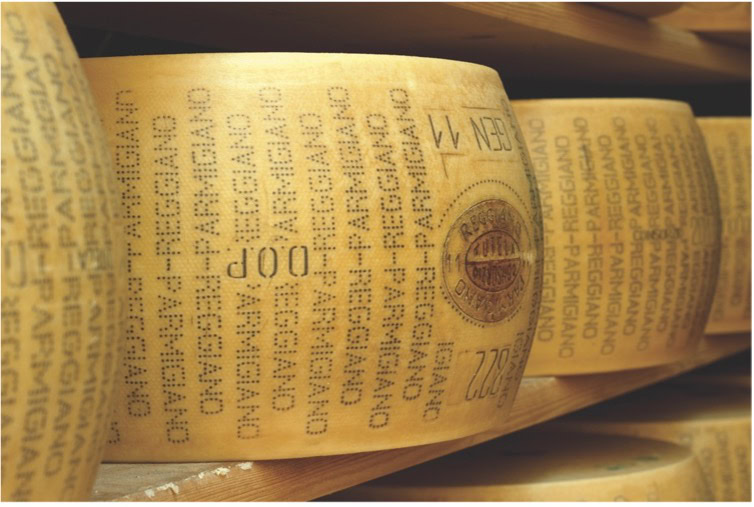
Cheesemaking is an age-old practice used to preserve milk, like making butter or yogurt. Raw milk cheeses are made with milk that has not been pasteurized or heat-treated above the body temperature of the animal before the curd is formed. The reason why raw milk cheeses are not heat treated is to preserve the bacteria, yeasts, and other microorganisms that make the cheese unique and impact flavor. Due to their distinct production processes, some raw milk cheeses have a protected status or geographic marker from their home countries, connecting them to the heritage of the region and the processes passed down through tradition. Cheeses like Parmigiano-Reggiano from Italy, Le Gruyère AOP from Switzerland and Comté from France all have these geographic markers to inform consumers of an authentic product and where they’ve been produced.
Raw Milk Cheese is Not Raw Milk
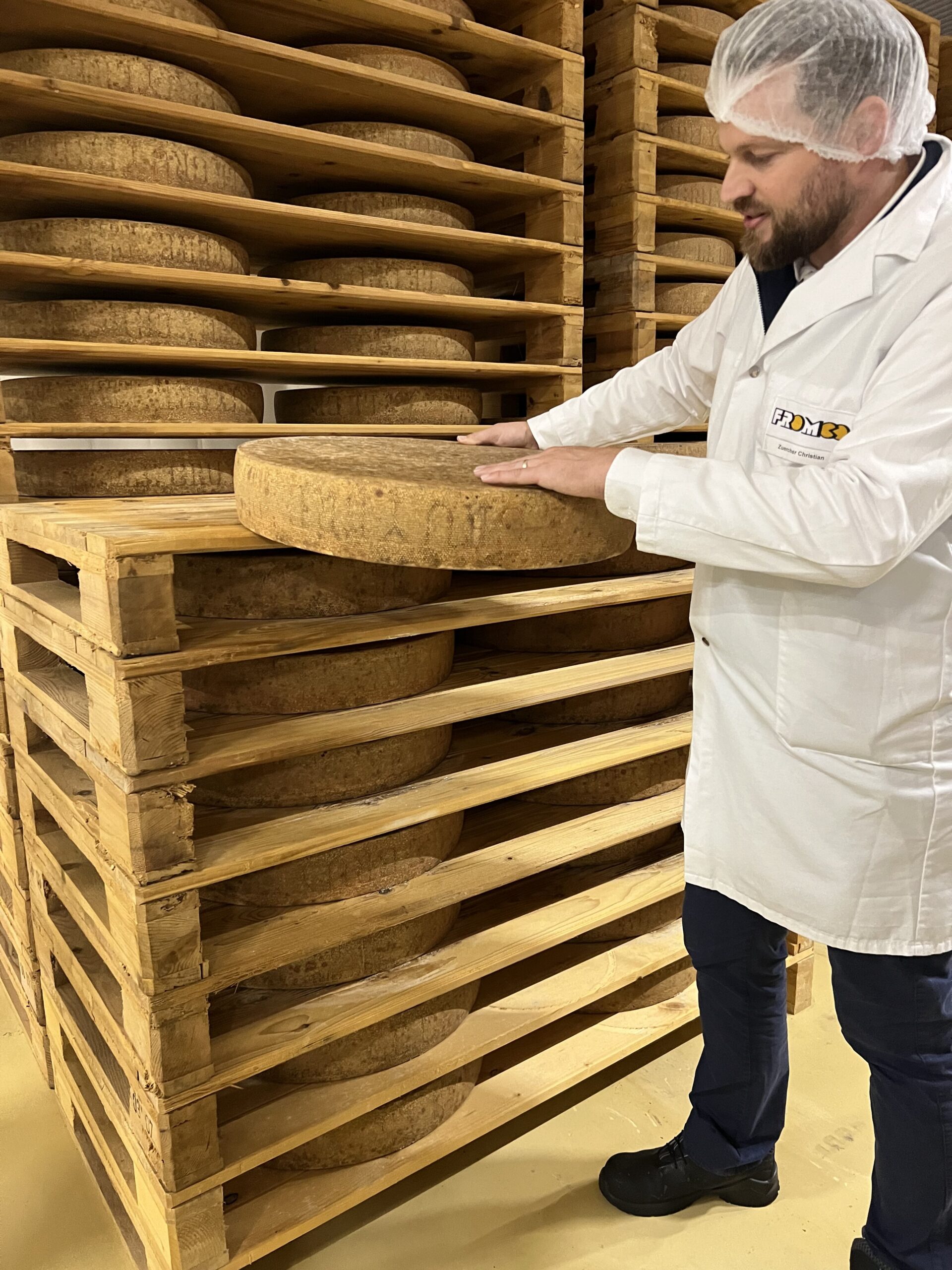 There is a large distinction between raw milk cheese and raw milk. Raw milk cheese (such as Parmigiano Reggiano or Gruyère AOP) is a source of live microbes, which can help nurture beneficial gut bacteria. Unlike raw fluid milk, which is associated with health risks, raw milk cheese-making is a traditional preservation method, where fermentation prevents the growth of harmful microbes.
As discussed earlier, cheesemaking is a preservation method allowing milk products to be consumed after long periods of time. Cheesemaking involves acidifying or curdling milk through the addition of starter cultures like animal, microbial or vegetal rennet. After time, the curds (solids) are separated from the whey (liquid), and salt is added to further dry out the cheese. Both steps impact the safety of raw milk cheese. Bacteria dislike acidic and salty environments, and these steps in the process make the cheese an unlikely place for harmful bacteria to grow. In the United States, all raw milk cheese that is sold needs to be aged for at least 60 days, regardless of where the cheese was made.
How Do Raw Milk Cheeses Fit Into Heritage Diets?
Raw milk cheeses are tied to heritage, regional and cultural practices that span hundreds of years (thousands in some cases). Raw milk cheeses have complex flavors, diverse microflora, and history to the country or region of origin. Carlos Yescas, a traditional and raw milk cheese expert, tells us, “Raw milk cheeses are culturally diverse and promote gastronomic diversity, because they allow us to experience the place of origin of the raw milk and different cheesemaking practices”. This means the type of animal making milk, their diet, the local climate and time of year all impact the taste of raw milk cheese. For example, Parmigiano Reggiano is produced exclusively in Italian provinces like Parma, Reggio Emilia and Modena and adheres to strict standards and cheesemaking practices that date back to the Middle Ages. Carlos  also notes, “Raw milk cheese depends heavily on the quality of milk to develop flavor and texture. This quality is directly related to the amount of fat, protein and overall microbial diversity of milk”. Well-known raw milk cheese Le Gruyère AOP is produced with milk from cows like the Holstein and Red Holstein. Le Gruyère AOP cows have defined diet specifications that add to the taste of the cheese and are a key part of cheese production.
Shopping and Cooking with Raw Milk Cheese
Raw milk cheeses can be purchased at many local retailers and grocery chains. If you’d like to check out stores in your area, look no further than the Oldways Cheese Coalition’s Cheese Store Directory. This directory can connect you with passionate cheesemongers, strengthening communities and giving you the chance to ask questions before you head home with your cheese haul. We also invite you to check out our Oldways Cheese Coalition Members and our recent American raw milk cheese producer honorees!
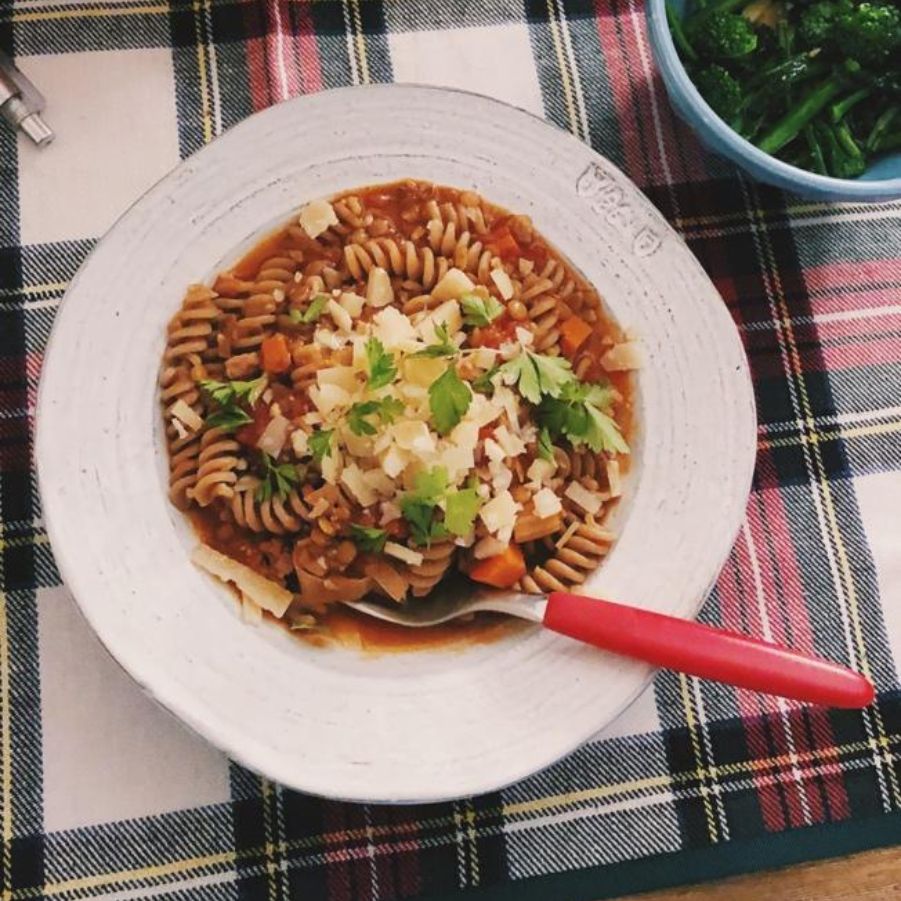 Because the fermentation process contributes to the development of rich and delicious flavors, raw milk cheeses can be a great garnish or companion food to plant-based ingredients in order to help us meet our recommended daily servings of vegetables, whole grains, and beans. The flavors of these cheeses are vibrant, and when serving, a little goes a long way. For breakfast, try making a snacking plate with fresh fruits, whole grain toast, eggs and a piece of raw milk cheese. For lunch, a slice of raw milk cheese in your salad or grain bowl deepens the flavor. At dinner, shaved raw milk cheese is the perfect topper to a warming bowl of whole grain pasta. Cooking with new ingredients opens doors to new flavors and is a great way to get creative in the kitchen. International Raw Milk Cheese Appreciation Day presents the perfect opportunity to gather friends around the table, try one or two cheeses, and connect to global flavors and rich heritage traditions.
Want more traditional and raw milk cheese information? We invite you to follow along on Instagram @Oldwayscheese or subscribe to our monthly newsletter, The Cheese Plate!
Bri dela Torre MS, RDN, CLC
Community Engagement Dietitian

Leave a comment