

 Healthy eating habits are not cemented overnight but, instead, built one step at a time.
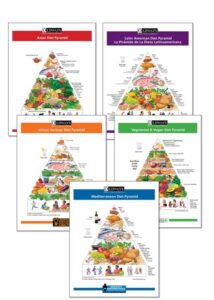
That’s why it’s important to look at your diet as a series of patterns. Heritage diets – cultural eating patterns based on ancestral food practices – are the perfect way to do just that. Although they may appear different at first glance, the Mediterranean diet, African Heritage Diet, Latin American Heritage Diet and Asian Heritage Diet share similar, delicious, traditional roots that focus on plant-forward eating patterns, home cooking, and the pleasures of the table.
Whether you’re craving umami Asian heritage flavors or spicy Latin American cuisine, try adding just one of these heritage diet practices each day of the week…and then, repeat! By the end of the month, you’ll have shaped a habit – and discovered a new world of flavor.
Monday’s Step: Make plant-based foods the foundation of a meal
 There is sometimes a tendency to make meat the cornerstone of a given meal, with plants relegated to the sides of the plate. However, one of the primary components of heritage diets is making plants the star of the show! Research shows that people who get more of their protein from plant-based sources are significantly less likely to die from heart disease than those who get more of their protein from meat.
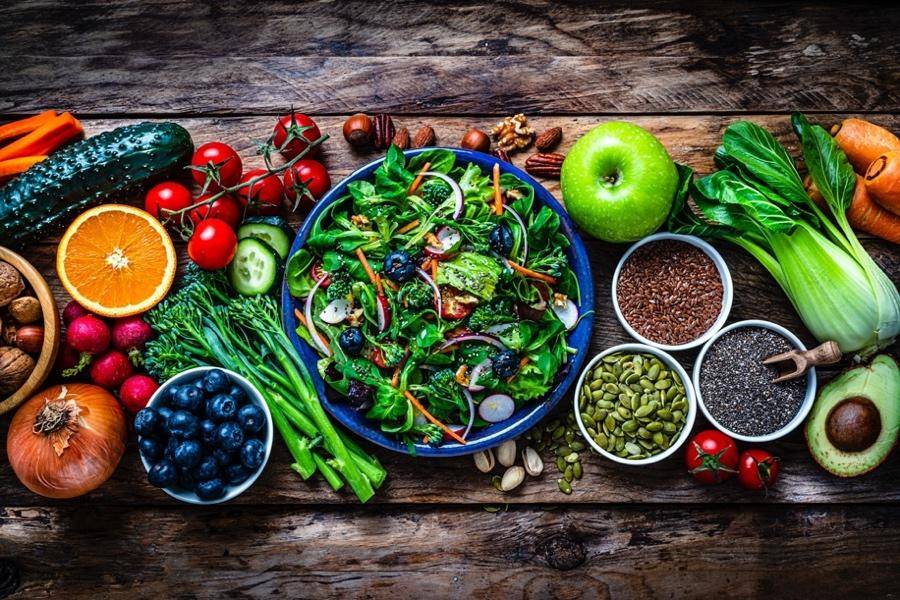
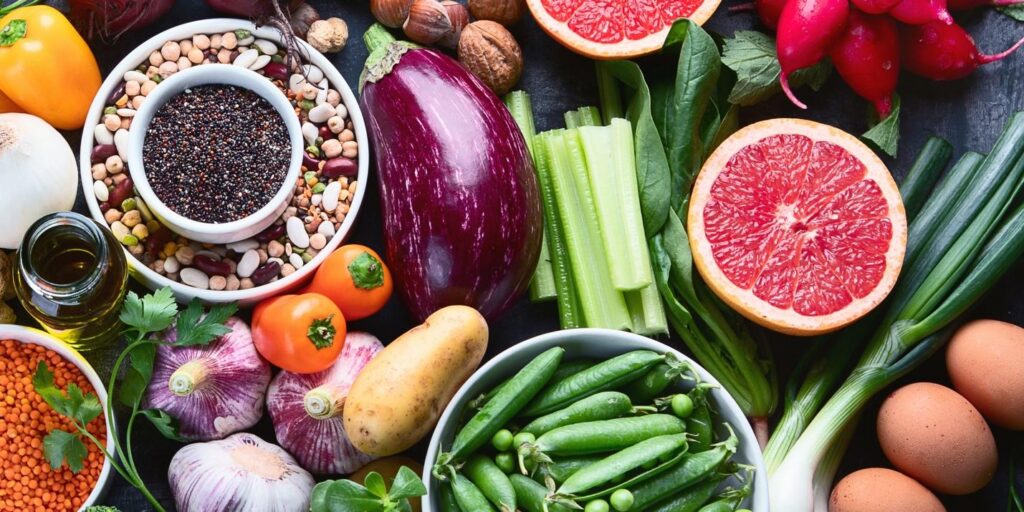
Try thinking outside of the box when it comes to plant-based eating with hearty stews and mashes, salads packed with plant proteins and healthy fats, or grain bowls topped with your favorite flavors. The world of plant-based eating includes fruits, vegetables, whole grains, beans and legumes, nuts, seeds, herbs and spices; your meals can overflow with flavor without meat!
Tuesday’s Step: Explore legumes and whole grains
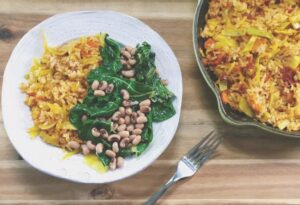 For people who are trying to eat healthy on a budget, legumes and whole grains are a great place to start. There are versions of a “rice and beans” dish – aka, some combination of whole grain and legume – present in heritage diets around the world! Legumes and whole grains play a crucial role in plant-based eating patterns, contributing fiber and protein that will help keep you fuller, longer. They also present a vast range of hearty, satisfying textures and flavors.
Whole grain pasta with white beans from the Mediterranean, black beans and brown rice from Latin America, jollof rice with black-eyed peas from the African Diaspora, and lentils and brown basmati rice from Asia are just a few of the culturally significant whole grain and legume combinations found in heritage diets, but don’t be shy about mixing it up!
Wednesday’s Step: Eat fruits and vegetables at every meal
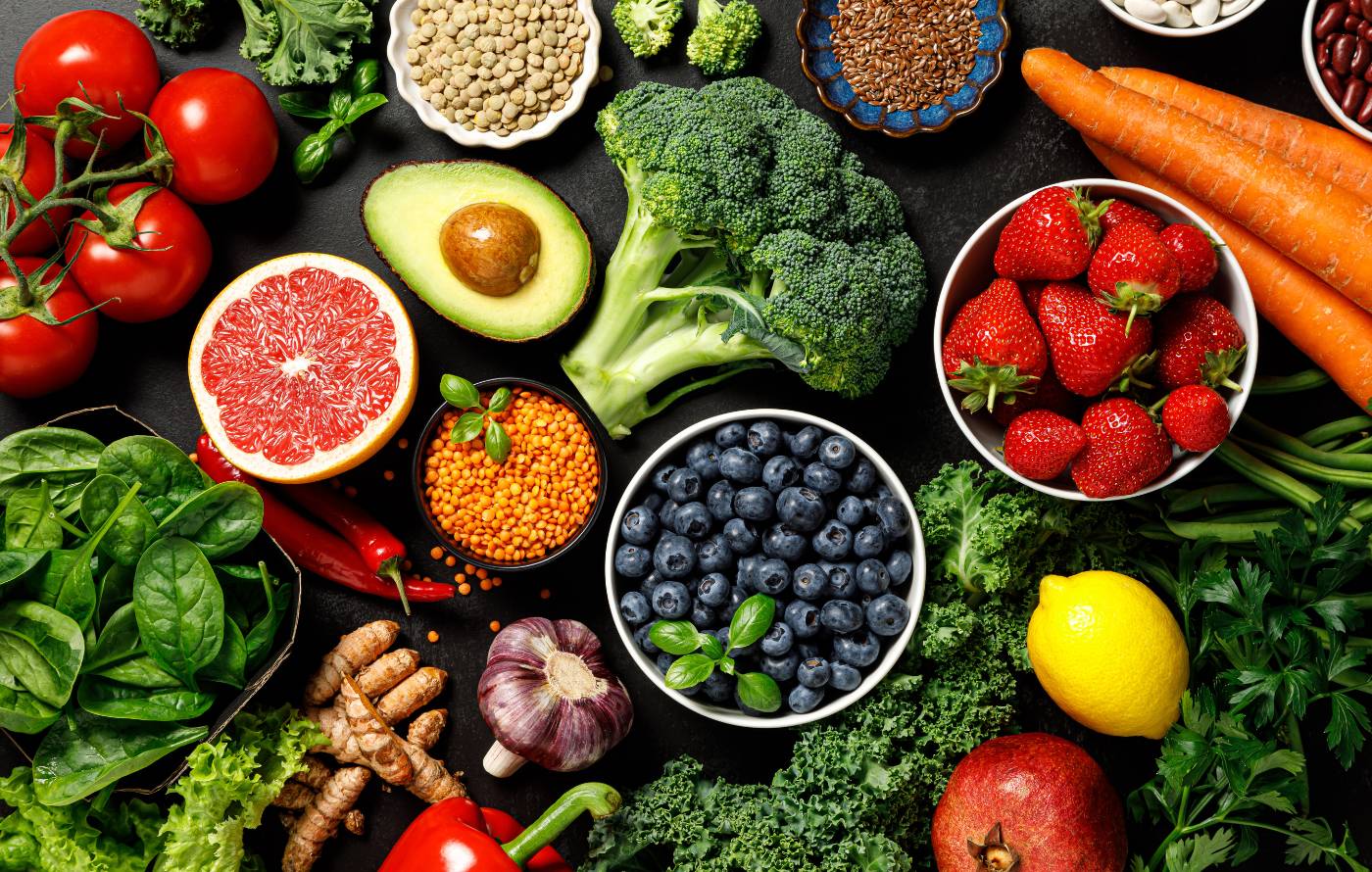
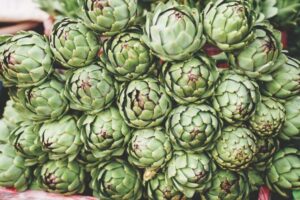 Fruits and vegetables offer valuable insight into the flavor landscape of a given heritage diet – Mediterranean figs and artichokes, African horned melon and okra, Latin American guava and corn, and Asian lychee and bok choy – and are a tenet of heritage diet eating. Today, try to ensure each of your three meals includes a fruit and a vegetable.
As you include this step into your day-to-day, remember that making a heritage diet part of your lifestyle is about consistency, not perfection. Sometimes, life gets in the way, and a meal will go by without a leafy green or delicious fruit in sight – the important thing is to not let it discourage you from trying again next meal!
Thursday’s Step: Tap into your area’s local/seasonal offerings
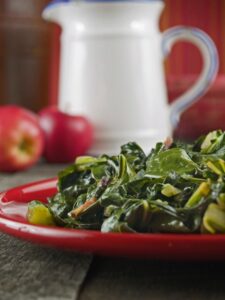 Heritage diets are built around ingredients that were historically available in a given region, which is why identity and food are so intertwined within them.
Even though it’s easier now than ever to find any produce item, any time of year, eating with the seasons is a fun and delicious way to immerse yourself into traditional diets. Use what is fresh and seasonal in your area, market or store, and try building a meal around it. For instance, when fresh leafy greens like spinach and kale are in season – it is the perfect opportunity to try greens-based heritage dishes like these Spicy Stir-Fried Greens or Creamed Coconut Greens with Lime.
Friday’s Step: Try a different method of cooking
 How we cook our food can vary just as much as what we eat. Whether you tend to lean more on your stove, Instant Pot, or air fryer with regularity, traditional methods of cooking lend different flavors and textures to the food itself, even to meals you may have had a million times.
If weather permits, try playing around with the grill and what you use it for – halloumi cheese, squash, fruit, and pizzas or flatbreads are all delicious – or roast foods at higher temperatures to obtain that delicious caramelization. Slow-cooking soups and stews allows flavors to richly meld, pickling adds a delicious zing to produce, and making or incorporating fermented food is a great way to get in healthy probiotics.
Saturday’s Step: Center a meal around community
 When the weekend rolls around and there’s some additional time to spend with others, try gathering those closest to you around the table. Not only is this a wonderful way to bond with family or friends, but it can promote conversation about the food in front of you and allow for the sharing of heritage diet principles.
This doesn’t have to be a fancy planned event – breakfast, lunch, dinner or even a mid-day snack, there is never a bad time to share in the delights of the table with others.
Sunday’s Step: Limit meat, including it in a special weekend meal (optional)
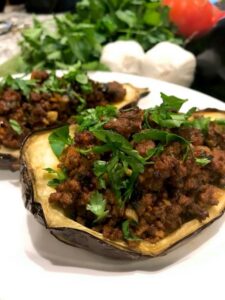 Keeping meat like beef, lamb and pork to a minimum is something all heritage diets have in common. It was often reserved for special occasions, with people opting instead for seafood, poultry and dairy on a more regular basis.
However, if meat is a treat you look forward to, try preparing it heritage-style! Dishes with traditional flavors, like these East African Sorghum Bowls, Gyro Sandwiches, or Coconut-Spiked Pork with Quinoa and Peanuts, incorporate other healthy heritage ingredients for a well-balanced meal.
Because heritage diets are more alike than they are different, these seven suggestions can apply to any one of them, allowing plenty of delicious versatility. There is no better way to ensure a diet is sustainable for you than by growing small, healthy habits – this National Nutrition Month, take it day-by-day, week-by-week, and step-by-step, heritage-style.
 Mary J Rehn