


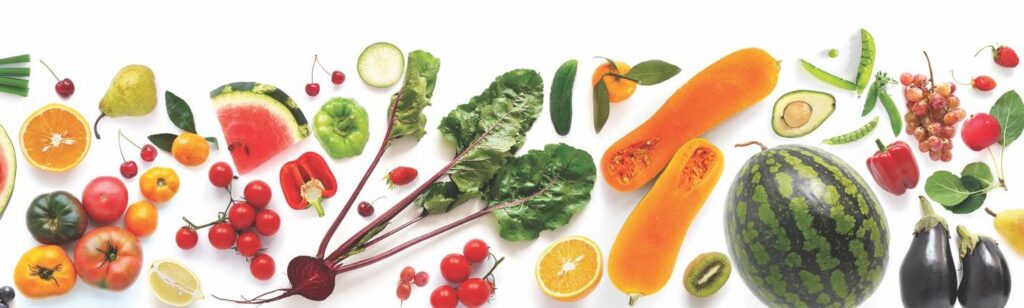
If you have ever thought to yourself, “Do people ever eat this part?” or “Can’t I just eat this?” when struggling to peel the skin off a squash or scraping out the seeds in a bell pepper, the answer is often yes, they do, and yes, you can! There are plenty of peels, pods, stems, seeds, and greens of fruits and vegetables that are widely consumed, nutritious, and impart great flavor.
In preparation for Earth Day on April 22nd, below are just a few of a wide range of fruits and vegetable plant parts that you may never have known you could eat – and thoroughly enjoy! (FYI – Oldways’ founder K. Dun Gifford was a member of the Senate staff group that helped Senator Gaylord Nelson flesh out the details for the first Day in 1970!)
Broccoli
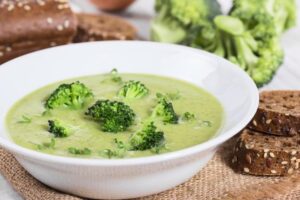 We all know and love the mini tree-looking parts of broccoli called florets… but did you know that you can also eat the leaves, stem, and flowers of a head of broccoli? The leaves can be used in place of kale in any recipe for a milder flavor, and they also provide an even greater source of vitamins A, E, and K – which help vision, bone, and skin health – than the florets! The hardy stem you can also consume; it is a milder-tasting version of the florets and is great sliced and included on a veggie platter, or, cut into matchsticks, tossed with olive oil and a little salt, and roasted for fries loaded with fiber! And, in the case that your broccoli bolts (develops flowers), fear not! These bright yellow flowers can certainly be eaten – garnish a dish with them or put them in a salad for an added peppery bite.
With roughly 90% of the broccoli plant going to waste before it even leaves the field, consider leaving little in the trash of what you purchase yourself by using every part!
Carrot
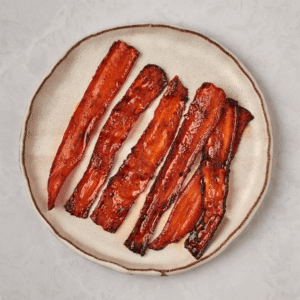
Image by Taste of Home
The versatile carrot is not only versatile for its commonly used root, but its greens and its outer layer offer multiple uses as well. The greens, with a taste resembling its own root mixed with parsley, can be used for pesto, added to a soup for extra herbaceous flavor, or simply sautéed in a pan with garlic and olive oil. Many cultures make use of every part of the plant, and greens from the tops of vegetables – for instance, turnip greens and beet greens – are commonly used in the African Heritage Diet. The carrot roots’ tough outer layer – the layer typically peeled off and discarded – can also be transformed and consumed; it lends pleasantly chewy texture to a healthy imitation of bacon; marinade the peels in olive oil, soy sauce, liquid smoke, maple syrup, smoked paprika, garlic powder and onion powder, then pop them in the oven for a few minutes and, voilà! You have carrot bacon. Before using the greens or outer layer, make sure to rinse them well to remove any dirt that could add unwanted bitterness to your dish.
Watermelon
 Believe it or not, if you eat watermelon seeds, you will not grow watermelons in your stomach. You WILL, however, get a satisfying snack as they contain some protein and fats. For an extra punch of flavor, scrape the seeds out of the flesh and toss them with lime juice and chili powder, then roast them in the oven. The flesh of the watermelon is beloved as is, however, if you would like some new ways of enjoying it, try blending it for an agua fresca, marinating and grilling it for a savory watermelon ‘steak’, combining it with some feta and quinoa for a fruity summer salad, or drizzling it with rosewater pomegranate molasses! You can also eat the rind of the watermelon, and while you may be skeptical at first, it is delicious when done right! Slice it up and make pickles using your favorite herbs, spices and vinegar, or add it to a stir-fry and it will soak up all of the beautifully intense flavors in the pan. If you are including the dark green skin in any recipe, make sure to slice it very thinly, as it is quite tough, and either cook or pickle it (it would be difficult to digest raw).
Celery
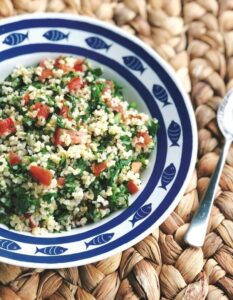 Celery, another highly versatile vegetable, is mostly purchased for its ribs; whether they be a part of mirepoix for a soup or a stew, in stuffing, or in a classic egg salad, there are numerous ways to use ribs. But what about making use of the leaves and hearts of celery? Use the more fibrous and darker green leaves as you would an herb in any recipe, like in this potato salad, this tabbouleh, or in this salsa verde, as they have a peppery flavor similar to parsley. The hearts of celery are the tender inner ribs of the plant, which have lots of flavor and are sweeter than the outer ribs. Try them shredded into this tzatziki sauce, or braise them with lemon, stock, and garlic for a delicious side dish.
Squash
 The flesh of the squash is used in almost any dish you can imagine: soups, salads, casserole, savory muffins, pasta, smoothies, or simply sautéed with onion as a side dish. And, in case you didn’t know, pumpkins and zucchini are squash, too! When squash is cut in half, there is a cavity of pulp and seeds that is typically discarded, but you can use these parts, as well as the skin, in some delicious ways! The pulp can be blended, then added to muffins or bread; or cook it and use it in soup or in a banana, cinnamon and nutmeg smoothie. The seeds can simply be roasted with olive oil and your favorite seasonings for a filling snack, or use them to top a casserole for a nice crunch. For thinner-skin varieties of squash, like delicata, honeynut, and acorn, you can leave the skin on while you roast them and eat or use the squash as usual! For thicker-skinned varieties like butternut and kabocha, cut and roast the skin at high heat with herbs and salt for a crunchy snack, or throw it into soup just like you would the rest of the squash!
Hopefully, as Earth Day and the summer season are upon us, you are inspired to try all parts of fruits and vegetables… and the list doesn’t end here! Not only can you make use of other seeds, stems, and greens – you can also extend this way of thinking to other food groups, like meats, seafood and grains (eating whole grains, the grain WITH the bran and germ still intact, means less waste long before it even gets to your table!) For even more ideas on how to cut down on food waste, check out these articles on root to leaf mediterranean cooking, using odds and ends in your fridge, and nutrition expert tips on reducing food waste in the kitchen. And, if you can’t or don’t already compost, there are great options for curbside pickup of all sorts of food waste that you didn’t put to use.
✅ Reviewed by a Registered Dietitian, as is all Oldways’ brand content and messaging

Leave a comment