

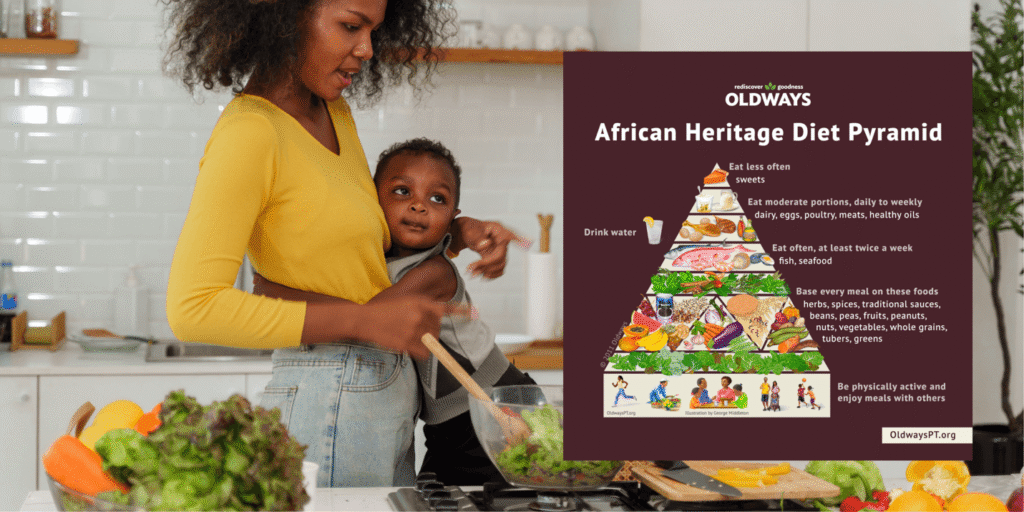
From cumin in the pantry to peas in the freezer, there are so many foods within the African Diaspora that you probably already have in your kitchen. This Black History Month, consider going all-in on this way of eating by giving your space an African Heritage Diet refresh!
 Oldways is celebrating Black History Month by embracing ancestral foods that promote healthy traditions and connection, as highlighted by the African Heritage Diet. This way of eating is based on the healthy culinary traditions of the African Diaspora – Africa, the Caribbean, South America and the American South – with unifying characteristics include lots of vegetables (especially leafy greens), fresh fruits, roots and tubers, nuts and peanuts, beans, and staple whole grain foods.
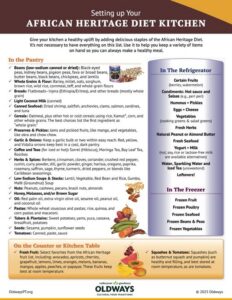
Throughout February, we invite you to explore, cook, learn, and celebrate African Heritage foodways with us. Whether you’re a pantry pro, freezer fiend or countertop connoisseur, we have plenty of tips to help you stock your own African Heritage Diet kitchen…
In the Pantry
 Pantry staples are an incredible foundation for any heritage diet, offering shelf-stable, nutritious and affordable essentials. Once you find your favorites, don’t be afraid to buy them up – you may find yourself surprised at how quickly you go through them.
While common foods like beans, grains, garlic and onions, and canned tomato products are rightfully beloved, there’s so much variety to be found in the pantry. Some other African Heritage Diet staples to keep on-hand include light coconut milk, pickled fruits and vegetables like mangoes and okra, tubers and plantains, plenty of nuts and seeds, and canned seafood. Nut butters like peanut and almond are perfect accompaniments to fruit, porridge and even savory stews. And even these just scratch the surface!
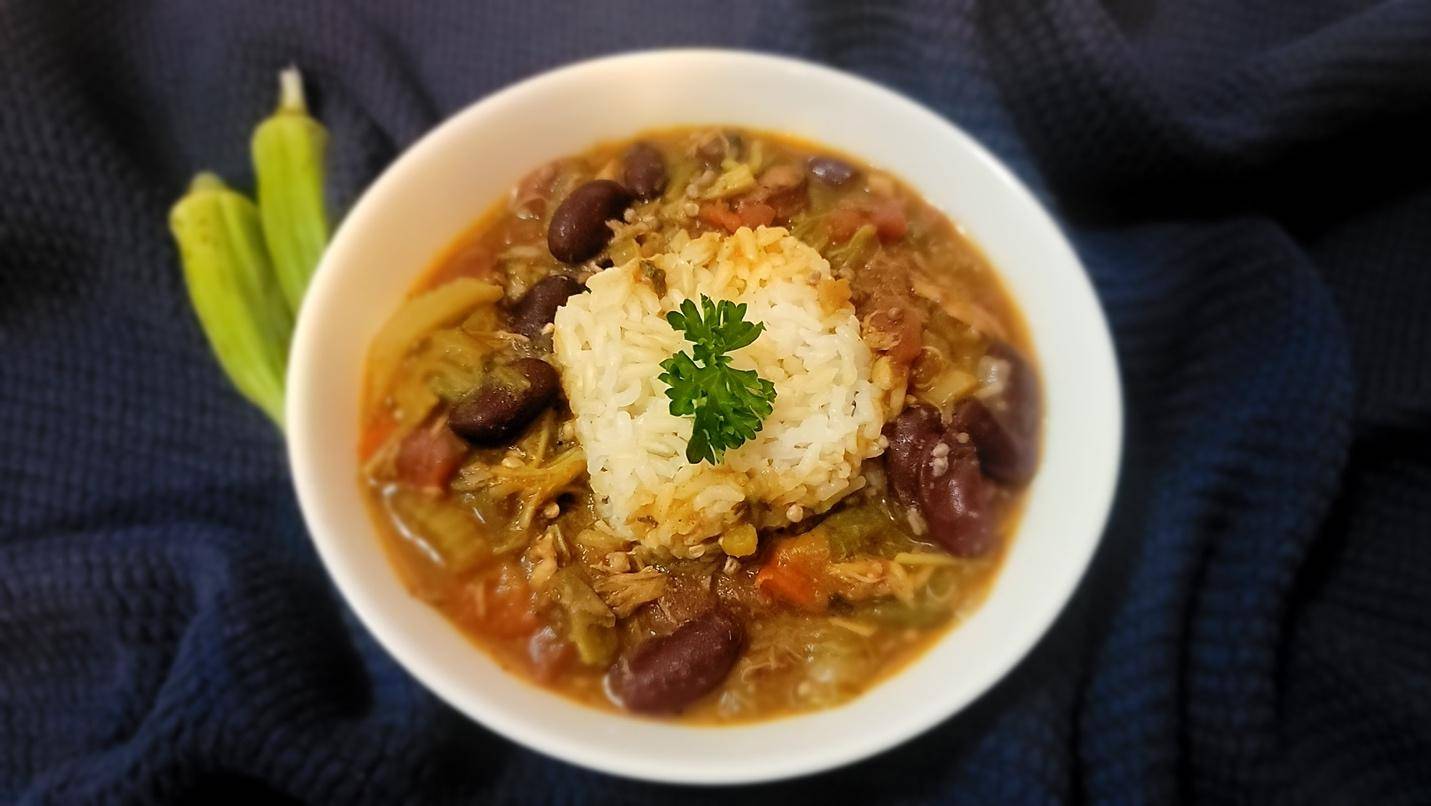
Brown Rice and Red Beans in Light Coconut Milk
In the Refrigerator
 A colorful fridge is a wonderful thing, and the African Heritage Diet lends itself perfectly to this. With your pantry staples settled, the fridge offers an opportunity to play with all of the fresh flavors of the African Diaspora. Dark leafy greens, like collards, kale and chard are at the base of the African Heritage Diet Pyramid, and they deserve a prominent place in your produce drawer as well. Wash greens in a salad spinner or colander at the beginning of the week, store them in a zip-top bag or container lined with paper towels, and you’ve got a fresh and easy side dish at the ready to be sauteed when hunger strikes.
Condiments like hot sauce, salsa, and hummus are great to keep on hand to add extra flavor to any meal. And don’t shy away from seafood – especially staples like cod and shrimp. They are a crucial piece of the African Heritage Diet and go wonderfully with the vegetables and greens of your choosing.
In the Freezer
 The freezer is a place that should be taken full advantage of. In a similar way to the pantry, it allows for the storage of so many nutritious ingredients, often at cheaper prices than the fresh equivalents. Frozen vegetables, fruits, poultry, seafood and legumes are all helpful to have on-hand and make a wonderful building block for a complete African Heritage Diet kitchen. Plus, try freezing herbs like cilantro, parsley and dill on a tray and then storing in bags for long-term use!
The freezer is also a great way to store leftovers and meal prep items like soups, wraps, and rice or grain dishes. When cooking up a large batch of whole grains or beans, it’s never a bad idea to make lots and freeze the extras for easy meals down the line.
On the Counter
 Though some fruits, like berries and watermelon, are best kept in the fridge, there are lots of African Heritage Diet fruits that reach their best flavors at room temperature. These produce items include avocados, apricots, cherries, citrus, melons, bananas, mangos, apples, peaches and papayas.
The same applies to squash! From butternut to pumpkin, squash is an integral African heritage ingredient that, along with tomatoes, keeps best out in the open.
Beyond Ingredients
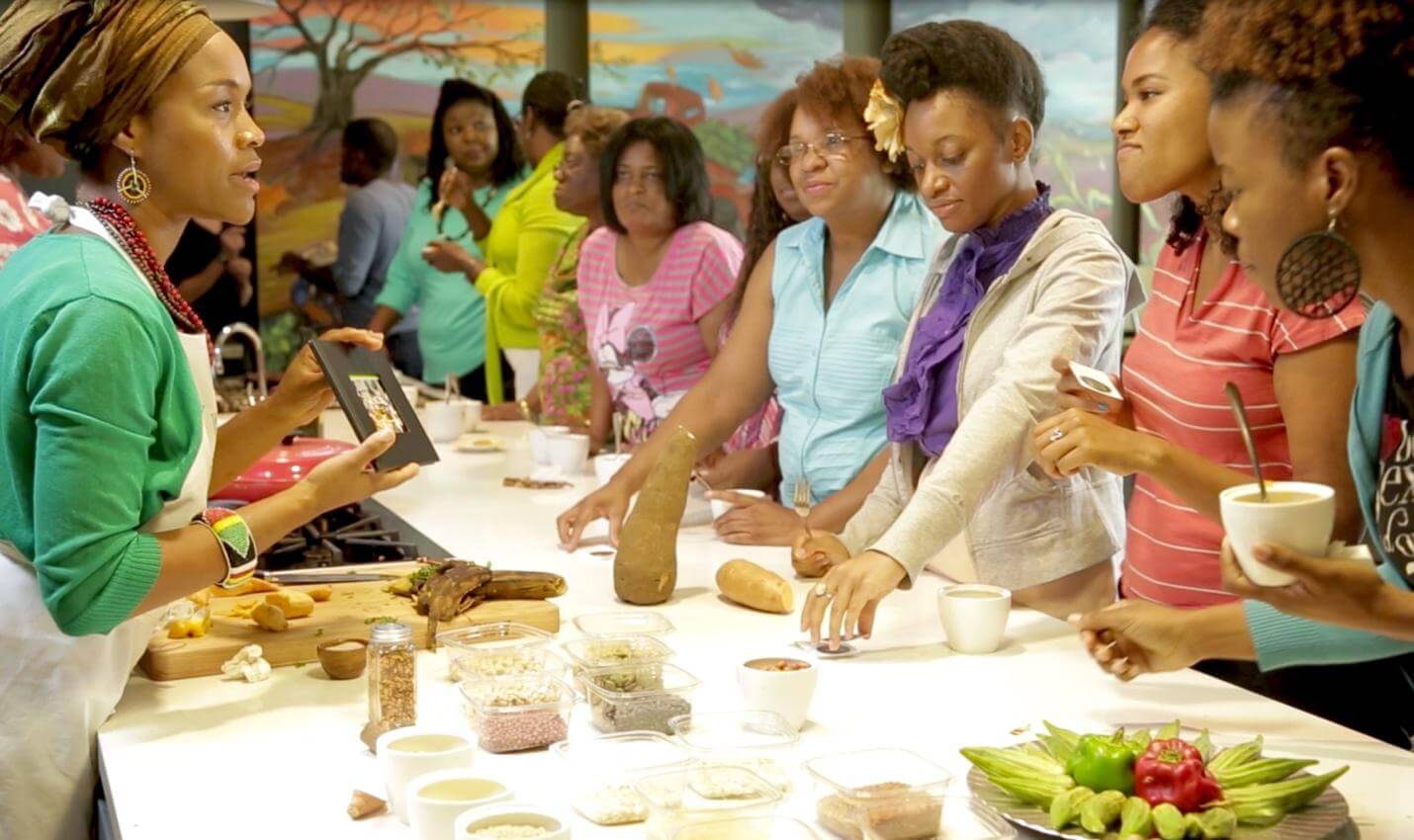
 Setting up the perfect African Heritage Diet kitchen for you goes even beyond food. Togetherness sits at the base of all heritage diet pyramids, and the kitchen is a wonderful place to incorporate that principle. Try doing your grocery shopping and cooking meals with loved ones to see which foods and techniques they may gravitate towards – you may pick up new tips and habits!
And then, of course, there’s the table. If and whenever possible, sitting down to enjoy meals and conversations with those closest to you can bring unbelievable joy and be the cherry on top of your newly made-over African Heritage Diet kitchen.
Take a look at our full African Heritage Diet Kitchen resource, which includes a helpful grocery shopping checklist, and see what else we’re doing to celebrate this wonderful way of eating throughout Black History Month!
 Lillette Davis
  Katherine Kelley