

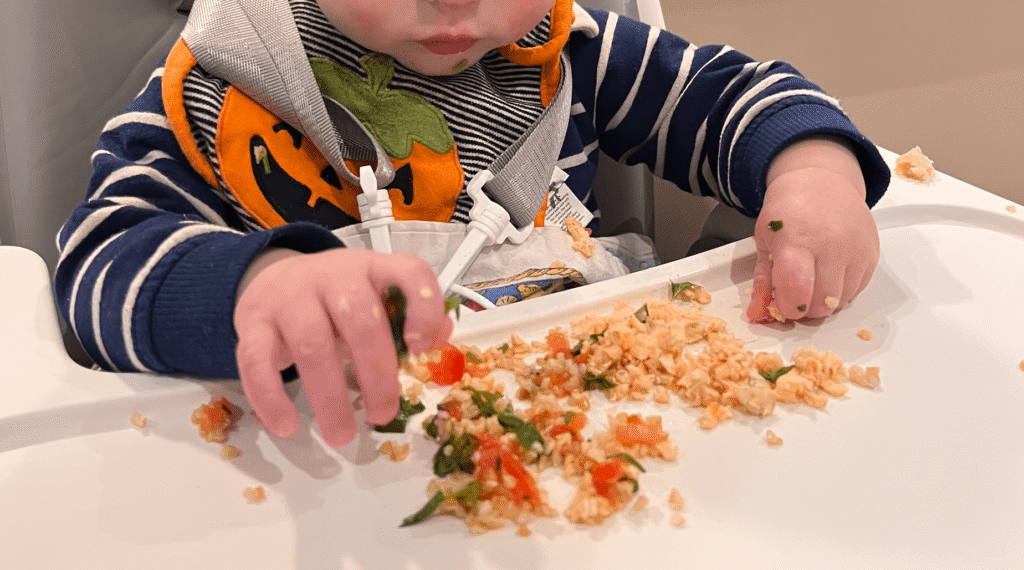
Mother Teresa once said, “If you cannot feed a hundred people, then feed just one.” As I sat in my kitchen channeling my 14 years of dietetic experience to get my first and only baby to take his first bite of solid food, my only thought was, “Easier said than done.” Now, with a couple of months of infant feeding under my belt, we have gotten in a good groove with family meals, thanks in no small part to the Mediterranean diet.
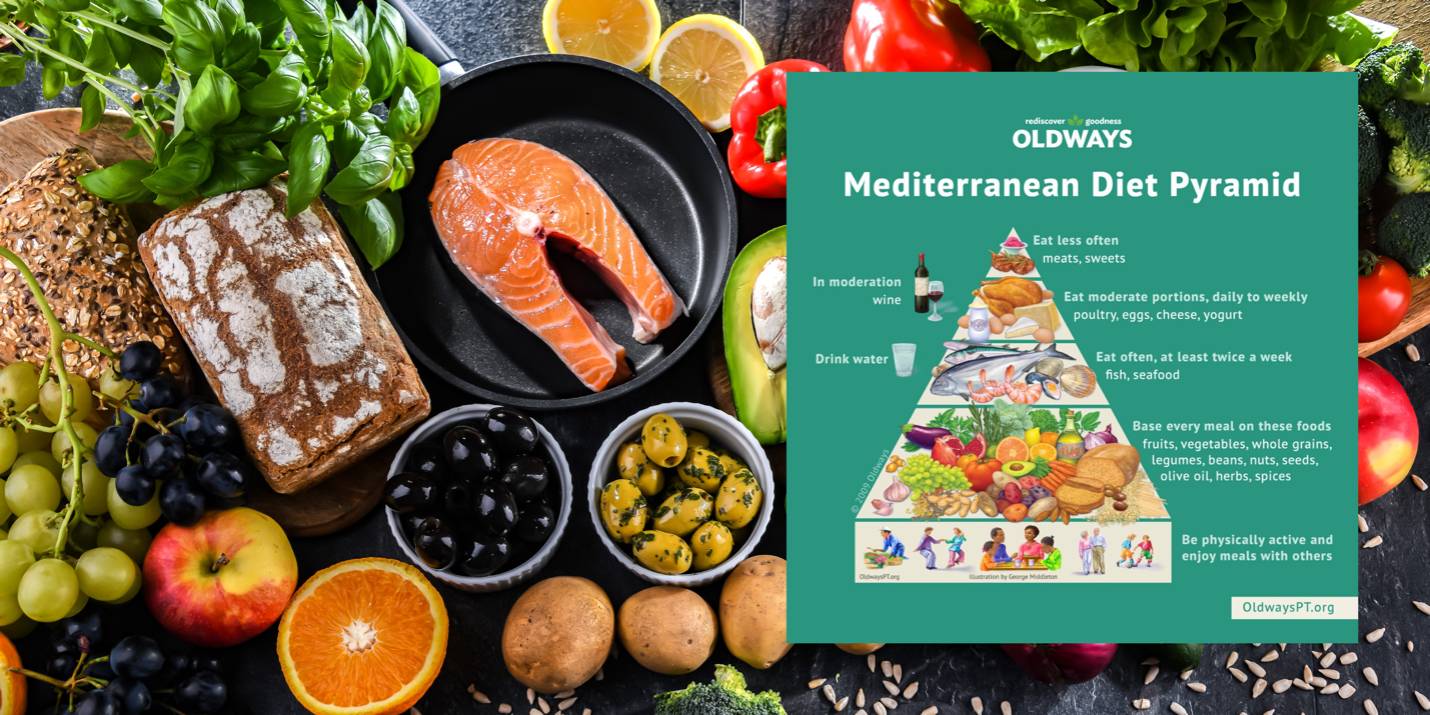
At its heart, the Mediterranean diet is a family-centered eating pattern that people of all ages can partake in. Research shows that eating a Mediterranean diet during pregnancy is linked with beneficial outcomes for babies, including improved neurodevelopment. Once your little one has arrived and is ready to start weaning, the Mediterranean diet is a wonderful jumping off point to steer you towards nutritious foods that can help establish lifelong habits of healthy eating and cultivate a jovial atmosphere of positive dining experiences.
Here are the top Mediterranean Diet tips that I turn to when feeding my own baby.
Embrace Dips and Mashes
The Mediterranean diet is awash with flavor-forward dips and mashes made from nutrient-dense ingredients, which are excellent ways for parents and infants to enjoy the same tastes together. “Plain, full-fat yogurt is one of my favorite early foods for babies because the texture is infant-friendly, and it provides probiotics to help support gut health, as well as key nutrients for this age group, including fat, calcium, and protein,” says Malina Malkani, MS, RDN, CDN, author of Safe & Simple Food Allergy Prevention and Simple & Safe Baby-Led Weaning. Thick dips and mashes, like hummus, baba ganoush, and mashed salmon mixed with avocado, are great foods to help babies practice spoon feeding themselves.
Start Seafood Early
The American Academy of Pediatrics advises introducing babies to the top 9 major allergens (including fish and shellfish) early and often to reduce the risk of developing an allergic reaction. For most babies, this is around 6 months, but if your child has severe eczema or an increased risk of food allergy, your pediatrician may recommend an even earlier introduction, closer to 4 months.
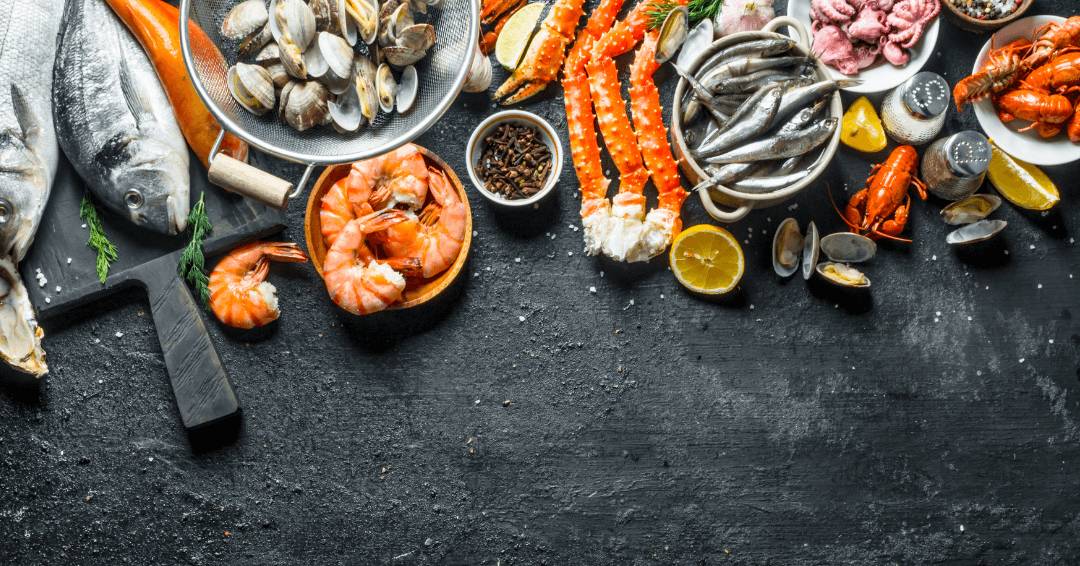
Regardless, starting seafood early has a multitude of benefits. In my home, I’ve had success with finely minced shrimp mixed with mashed avocado and bite-sized pieces of salmon flaked from my own plate. But that’s only the beginning. “Believe it or not, sardines make an excellent early finger food for babies and toddlers,” says Malkani, noting sardines’ omega-3 fatty acid, iron, and choline content. “Caregivers can offer boneless, whole sardine fillets for self-feeding, or canned sardines with bones (which soften and become edible as a result of the canning process).” Although Malina offers one final word of caution, “Reserve sardines for bath night only!”
Serve Whole Grain Finger Foods
Because infants and toddlers have such high nutrient requirements for growth and development, yet can only eat so many calories in one day, the best baby foods are those that pack a nutrient punch. The 2020-2025 Dietary Guidelines for Americans recommended that toddlers ages 12-23 months who are no longer receiving human milk or infant formula make anywhere from 67-89% of their grains whole. The newly released 2025-2030 Dietary Guidelines for Americans carry forth a strong emphasis on whole grains, but don’t provide as much guidance on toddler-specific nutrition.
Whole wheat toast cut into strips and whole wheat rotini or penne pasta are easy-to-grab foods for babies learning to self-feed. These are also great vessels for spreads like avocado or thinned-out nut butter (once nuts have been safely introduced in the diet) or sauces, such as pesto. By making whole grains the default, kids will grow up familiar with the enjoyable flavors, colors, and textures that whole grains have to offer.
Caroline Sluyter, Oldways’ Senior Director of Operations, Director of the Oldways Whole Grains Council, and mother of two young children, recommends cooking and baking whole grain foods with little ones to help build enthusiasm. “Even really young kids can help add the ingredients for whole grain banana bread to a bowl or mix up pancake batter with an adult’s help,” explains Sluyter. These baked goods can then be torn into age-appropriate sizes.
Don’t Fear Big Flavors
Herbs and spices give regional identity to Mediterranean dishes and help introduce your little one to the wide world of flavors and aromas that the cuisine has to offer. Infancy is also an ideal window to introduce new foods and flavors, especially those that are a staple of family gatherings and food traditions. This is because the people who learn taste quickest are infants. “In younger kids they can learn to like foods in limited exposures. In adults it takes a lot longer,” says Keith Williams, PhD, BCBA, Director of the Feeding Program at Penn State Hershey Medical Center.
Mix finely chopped herbs or spices into scrambled eggs, soups, dips, and more. And aside from salt (which infant kidneys can only handle so much of) and spicy peppers (which may cause an unpleasant sensation in the mouth and aren’t ideal to introduce when teaching infants how to eat), feel free to season baby’s food as you would your own.
Better yet, enjoy the same foods together. As Malkani shares, “babies learn to eat by mimicking, and the more they see their caregivers enjoying Mediterranean-style foods, the more likely they will be to enjoy them too.”
For more insight on feeding infants and toddlers traditional diets like the Mediterranean, subscribe to Oldways’ newest Substack, Old Ways, New Mom.
By Kelly LeBlanc, MLA, RD, LDN
VP of Nutrition Programming, Oldways
Author of Oldways’ newest Substack, Old Ways, New Mom
 millie snyder