


Many of us have a favorite cooking tool that becomes a staple part of our kitchen and cooking routine. These cooking tools can range from a favorite skillet, a preferred spatula, or a beloved toaster oven (yes, these are my favorites). But what about the time-tested vessels that shaped culinary heritage? Before the time of air-fryers in every color, cultures from around the world used traditional cooking devices to impart flavor and preserve cultural identity in their meals. Let’s look at four old ways of cooking, inspired by what we learned and experienced on previous and upcoming Oldways Culinarias that connect modern kitchens to their ancient roots.
Crete’s tsikali is a handmade terracotta cooking pot that allows dishes to be slowly simmered. Tsikalis are traditionally glazed only on the outside, leaving the interior porous. This unglazed interior absorbs and releases moisture while cooking to prevent burning, and the clay allows for heat to be evenly spread throughout the pot while cooking. Often, dishes prepared in a tsikali are a combination of beans, vegetables or lamb, which means over the long cooking period the ingredients are braised in their own juices. Clay pots require a lower heat source, and traditionally the tsikali is set over low embers or in a wood-fired oven. After cooking, the pot serves as both cookware and the serving dish, going straight from the heat to the table.
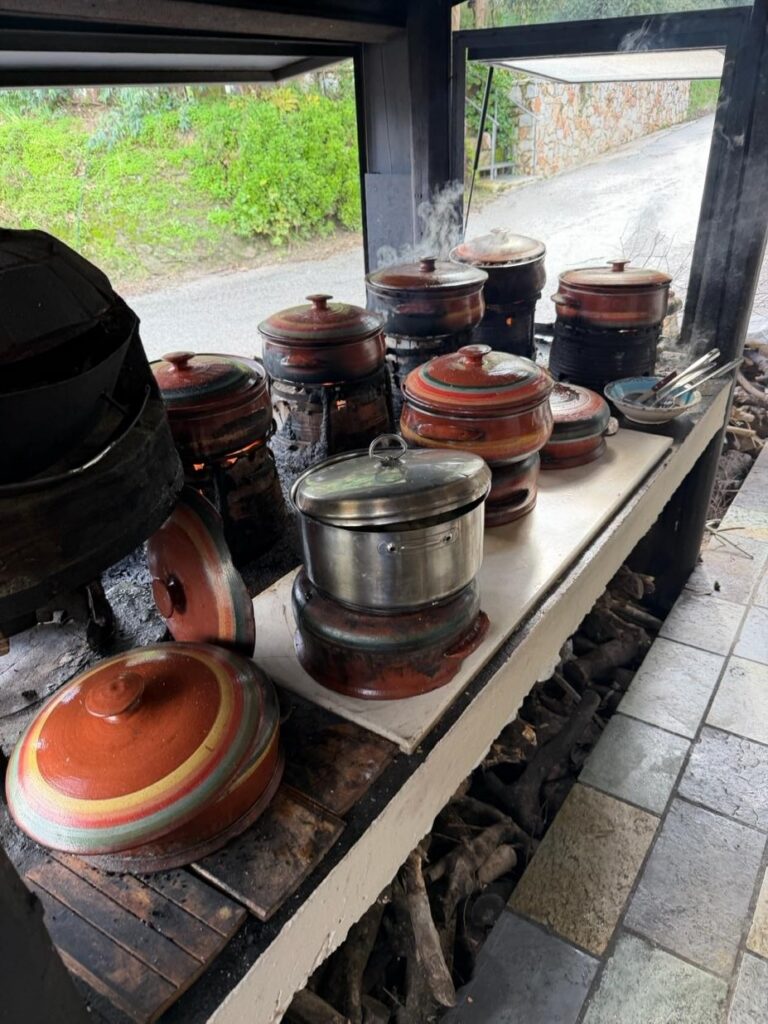
A variety of tsikalis cooking lunch in Crete. Photo: Oldways in Crete, 2026
Tagine refers to both a Moroccan earthenware vessel and the North African stew cooked inside. The origins of the pot come from the nomadic North African Berber tribes that used the pot as a portable oven over open coals. A tagine features a wide base and a cone-shaped lid. The shape of the pot allows for steam to collect while cooking and they are placed on hot goals over low heat. Long simmering and steaming allow for tough cuts of meat and dried fruits to become tender while cooking. The need for very little water is in ingenious adaptation to the arid climate of North Africa Tagine stews come in many varieties, but most contain meat or fish, vegetables, nuts and dried fruits and are prepared with rich aromatics like ginger and saffron. After cooking, tagines are served family style at the table, with many pots being placed on the table for all to share to encourage connection and enjoyment with others.
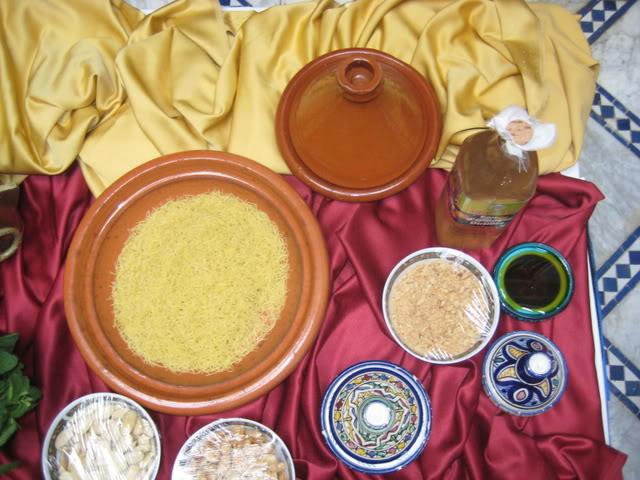
An open tagine with prepared ingredients, ready for cooking. Photo: Oldways in Morocco, 2008
Croatia’s peka refer to dishes and their cooking device, where meat and vegetables are slow-roasted within a dome-shaped metal bell. Once the ingredients are covered by the dome, hot coals are placed over top to slowly heat and cook the dish. Evidence of this cooking technique dates back thousands of years, with the modern metal version arriving in the early 1900s to replace ceramic versions. Peka is a dish often prepared for special occasions, and popular versions along the coast utilize seafood and hearty vegetables like carrots, onions and potatoes. These dishes cook over several hours and are shared family-style, paired with crusty bread to enjoy the juices made over the course of cooking. The embers and coals need to be maintained during cooking, which encourages active participation in this time-honored technique.
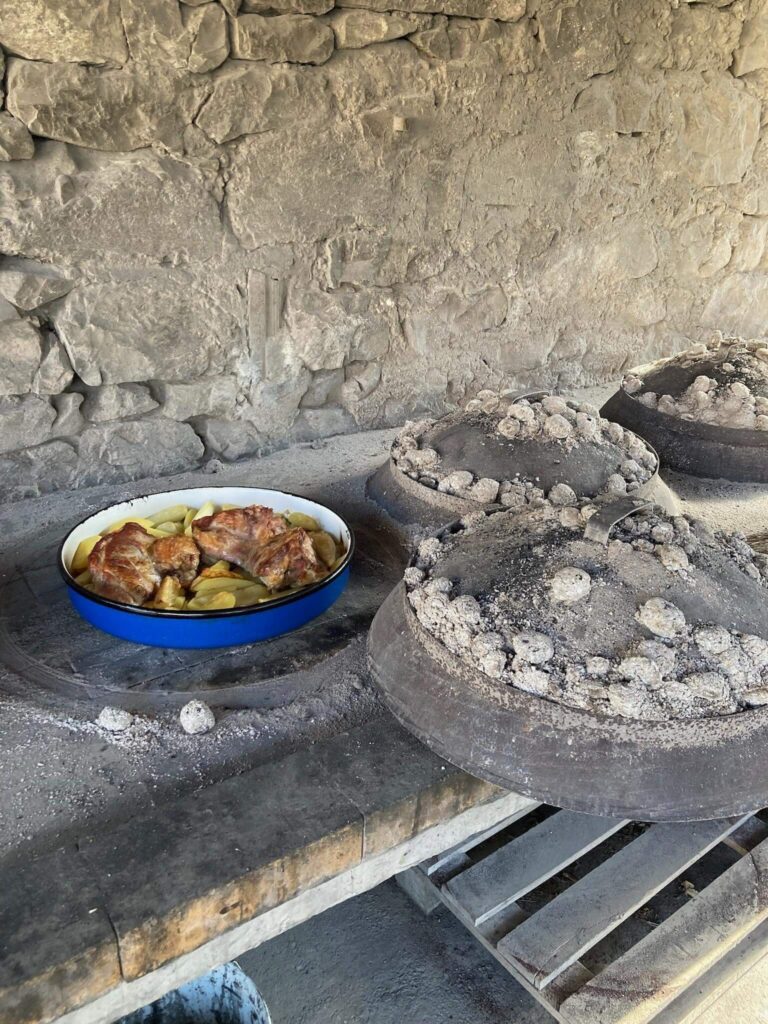
A traditional Croatian peka cooking under hot coals. Photo: Oldways in Croatia, 2024
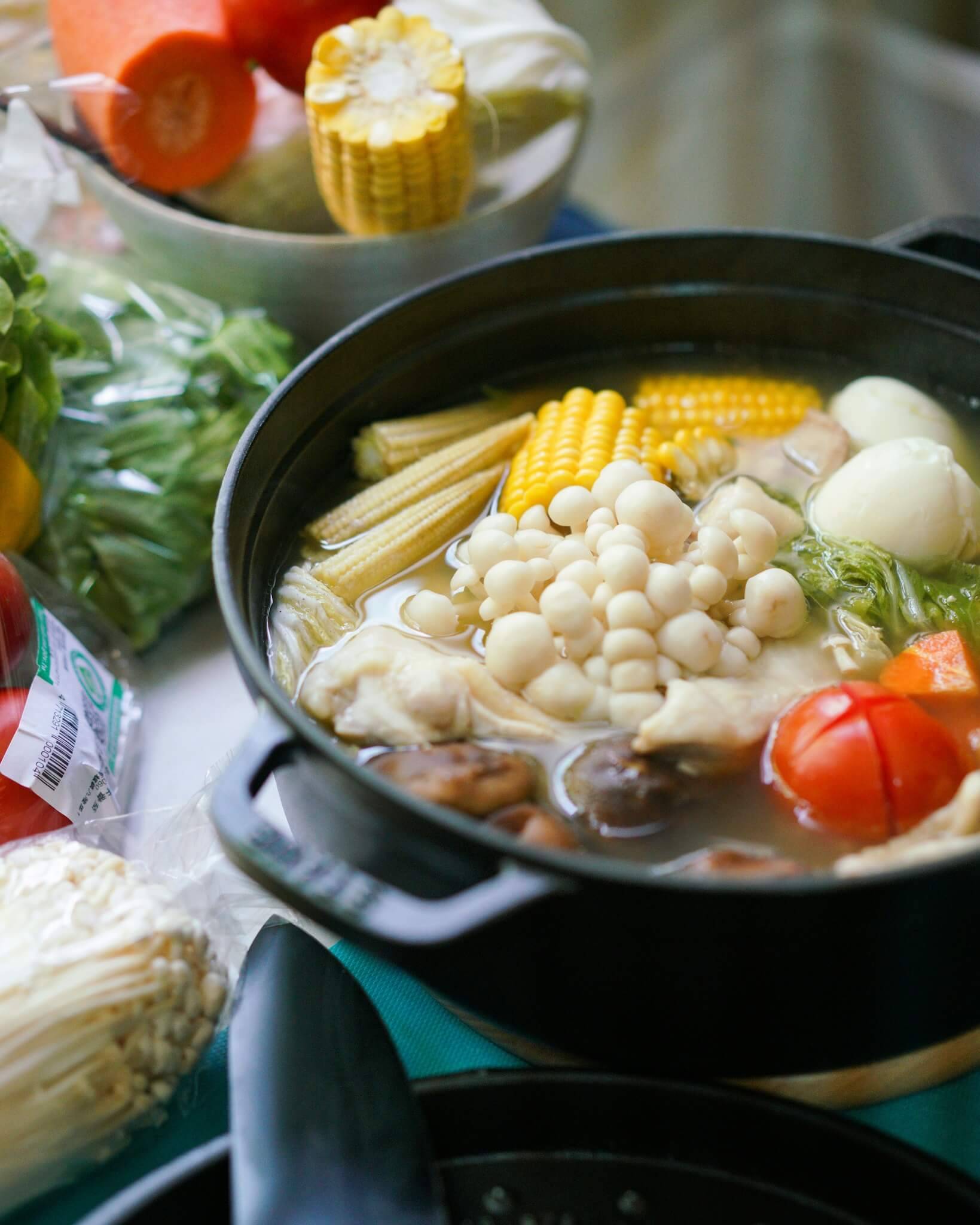
The Chilean cazuela is a shallow terracotta pot used to prepare a hearty, home-cooked meal of the same name. The cazuela pot is a low, rounded pot made and glazed on the inside to create a smooth surface for broths and stews. These pots retain heat well and provide an evenly distributed cooking temperature. Most commonly prepared with chicken or beef as the protein source, the squash and corn cobs are a staple element, tying the meal to the Andean region and agricultural produce. While earthenware cooking pots existed for thousands of years in the region, Spanish colonization brought European cooking methods together with native regional flavors. The tradition of seasoning the cazuela, or preparing it for cooking, involves soaking the dish with water and rubbing the bottom with garlic before placing it on a low heat. Many enjoy this dish during the cooler months to share a warm meal with community around the table. We can’t wait to learn more about the cuisine and cooking methods of Chile during our upcoming Culinaria in March. We have a limited number of spots left!
Ultimately, these time-honored vessels do more than simply cook our food; they preserve cultural identity and traditions, inviting us to slow down in the kitchen. Continuing with ancient culinary techniques within the modern home allows us to reconnect with the roots of our cooking and encourage generational connection.
Bri dela Torre MS, RDN, CLC
Community Engagement Dietitian

Leave a comment