


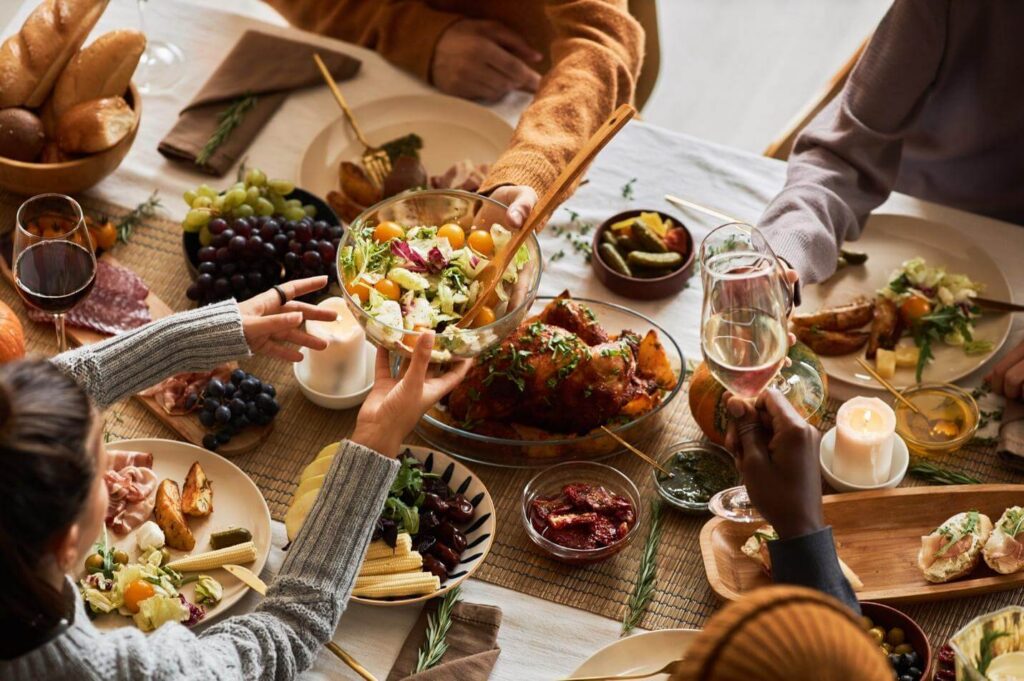
Hygge is a Danish word that describes finding comfort and coziness in an environment or meal and slowing down to enjoy the space with the people around you. I love Hygge because it emphasizes the importance of connection and the simplicity of appreciating the everyday moments.
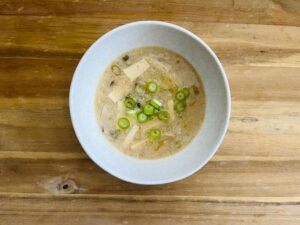 While I’m not one to shy away from comfort foods, it can be hard to eat (and cook) heavy casseroles and stews daily. The term comfort food was coined around the 1960s, with food writer Jane Stern explaining, “The point is that food is more than food – it’s heart strings – it’s memory.” Comfort foods vary from person to person and are shaped by our experiences and cultures. Researchers think that due to connections between food and memory, our most comforting dishes are tied to feelings of security or happiness at a young age. Foods that nourished us when we were sick, sad or that connect us to a certain time in our lives. While comfort foods vary from person to person, many cultures have their own cherished “sick day” dishes, from soothing congee in China, and bright, lemony avgolemono soup in Greece to warming West African goat meat pepper soup. Rather than looking for heavy, labor-intensive recipes this October, I’m searching for the warm, cozy and connected Hygge feeling at home and looking at comfort foods in a new light. I asked some of the Oldways team about their favorite comfort foods and what draws them to these meals to put together suggestions to share with you. While we can’t add more hours to the day, we can make the ones we have more impactful, connecting us around the table and heritage diets.
Try Adding Spice and A Spoon
 For Kelly, our VP of Nutrition and Registered Dietitian, one of her favorites is masoor daal. Of this recipe, she says, “The inviting spices and aromatics warm you from the inside out and lend a hearty, savory flavor. It is a simple, affordable meal but so filling and wonderful.” Spices such as ginger, turmeric, cumin and coriander are commonly found in Indian dishes and referred to as warming spices because they create a feeling of warmth when added to a dish. Due to their rich aromas, their scent and flavors are often associated together, offering cozy comfort even during cooking. When it’s time to eat, try using a bowl and spoon! Many Asian cultures use a spoon at meals, as broths and soupy dishes are commonly served. This serving technique is an easy way to add the Hygge and connects to heritage traditions at mealtime.
Create Excitement and Share the Table
The best meals are worth waiting for. Tess, our Marketing Communications Coordinator shares one of her most comforting meals is her dad’s holiday spaghetti and meatballs. She shares, “The meatballs are packed with aromatics and simmer all day in tomato sauce. By the time we eat them, they’re basically falling apart, savory and satisfying and always shared with family.” Dishes that take all day to prepare create excitement and anticipation, encouraging patience and increasing enjoyment. The sharing of meals with loved ones is a key component of heritage diets around the world and can be practiced no matter what the meal is. Invite friends or family to share a meal this October, because who we’re sharing the table with is as important as the meal itself.
Dip Into a Traditional Cheese
 Some combinations are classic, like grilled cheese and tomato soup, beloved by our Marketing Communications Director Katherine. Her thoughts on this pairing: “This recipe is not only warm and yummy, but it comes together quickly and feels very nostalgic!” Try making this recipe using whole grain bread, and traditional cheeses. These cheeses are defined by the milk and production processes used to make the cheese and contribute to gastronomic heritage and local communities. When it comes to traditional cheese, the Oldways Cheese Coalition encourages quality over quantity and notes that a little can go a long way. With so many traditional cheeses and whole grain bread varieties to explore, everyone in the family can find their favorite combination. When it’s time to eat, try dipping the grilled cheese to enhance the experience. Research suggests this when an activity is linked to a pleasant experience, over time it will be associated with comfort. This means dipping the sandwich into soup could increase the Hygge if you have a happy memory of, say, dipping cookies into milk.
Setting the Table Mood
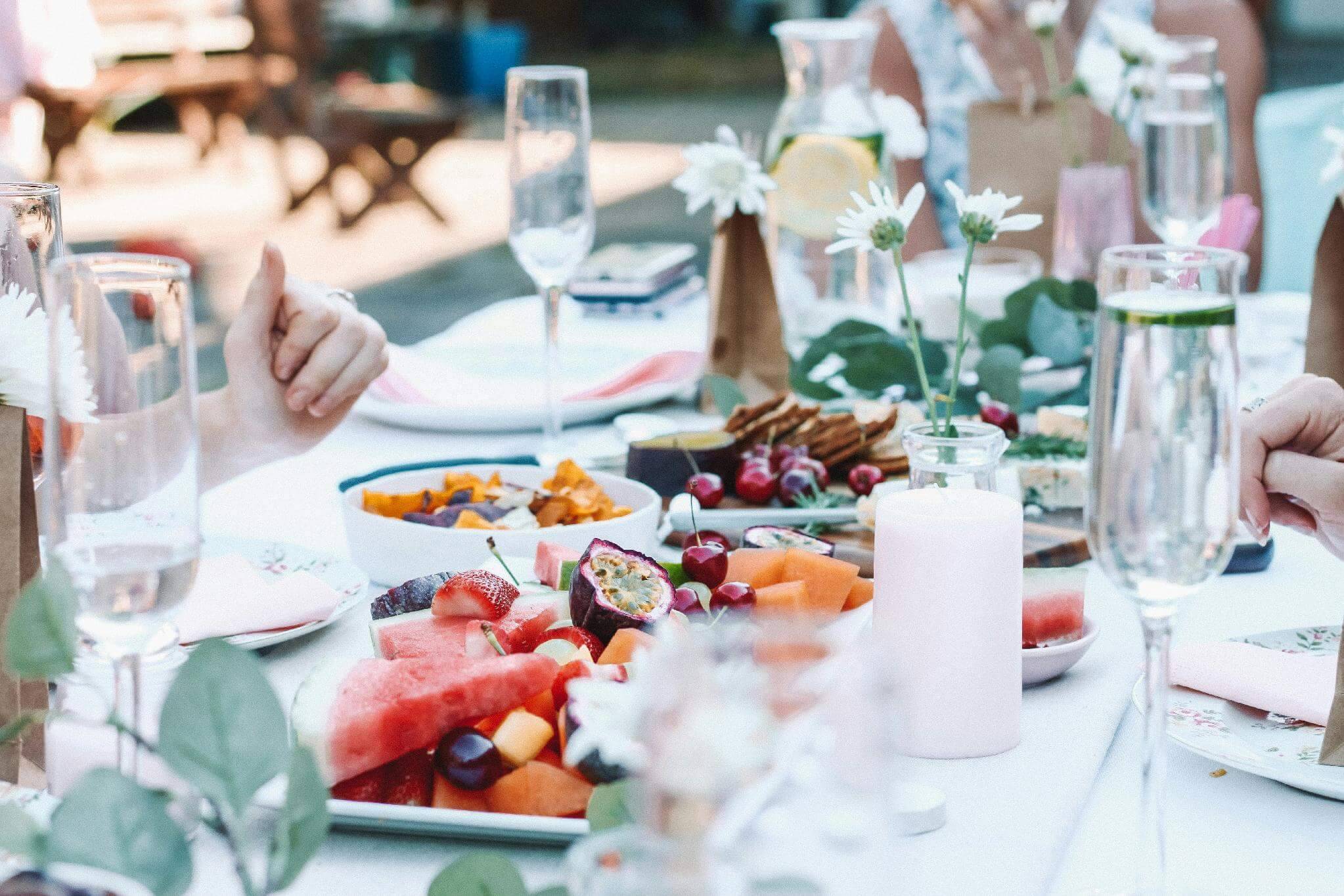
 Recipes aside, setting ambience both at and around the table adds to the cozy feel and can elevate any meal. Lighting a candle, adding some background music, dimming the lights and adding a well-loved sweater all add to a better dinner experience and increase the Hygge. These intentional adjustments add to the meal and can be especially helpful if working from home to change the space and signal the end of the workday. Research supports the effects of dining ambience on mood, as a calm and relaxing environment increases our enjoyment. Try adding one or two ambient touches during your next dinner at home and see how it makes you feel!
This October, create coziness at home and join Oldways in celebrating heritage diets daily. Whether you’re cooking for one or the whole crew, there are many ways to have a relaxing fall meal that will inspire lasting comfort throughout the season. If you’re interested in experiencing what Hygge means with the Danes, join Oldways in Copenhagen!

Leave a comment