


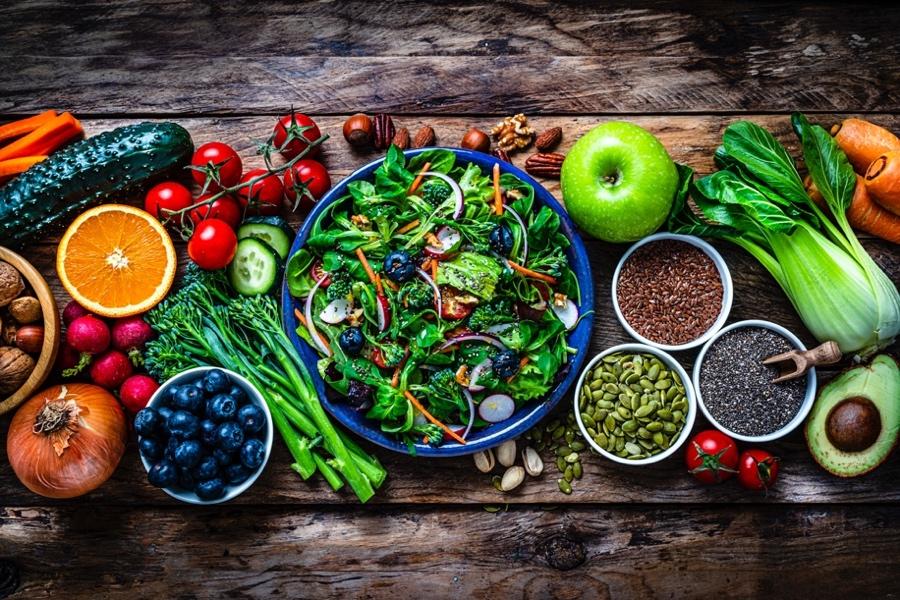
Thanks to modern grocery stores, many of us have access to foods from all over the world, year-round. However, there’s something special about finding ways to explore food options closer to home. Eating what’s local to you can reduce your carbon footprint, allow you to support your community, and is often more budget-friendly than the alternative – and it doesn’t need to be difficult.
Whether your region is overflowing with blueberries, apples or greens, there are ways to make your local flavors stretch. Here are some ways to enjoy the vibrant foods closest to you, year-round!
Grow Herbs Indoors
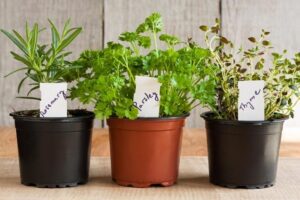 Herbs are a central component to any heritage diet, packing nutrients and, of course, lots of flavor – they provide a great way to explore a vast range of heritage diet palates. They also require little maintenance and are an easy way to get into indoor gardening.
First, ensure the pots you choose for the herbs have good drainage, and fill them with soil that is enriched with compost. Drop five or more seeds on the surface, then cover with a light layer of soil. Place in a warm area and cover with plastic for about a week. Once you see seedlings pop up, remove the plastic and pick a sunny room – the kitchen is preferable for easy-snipping. Place them near or in a windowsill; herbs need at least six hours of sun daily. As leaves emerge, harvest them often to promote more growth!
If you find yourself with an abundance of herbs and a scarcity in ideas, here are some tips on how to use fresh herbs. The easiest ones to grow include chives, parsley, thyme, rosemary, basil, and mint.
You’re on your way to a green thumb and a world of flavor – year-round!
Store Your Veggies in the Cellar
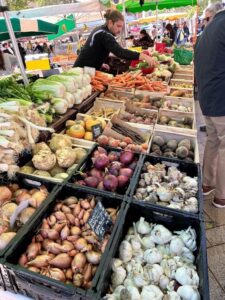 If you have a cellar or basement that generally stays cool year-round, you can store your own vegetables for weeks or months at a time, whether they come from your garden, a local farm, or the grocery store. Vegetables like onions, garlic, potatoes, turnips and parsnips store well in 32 to 40 degree temperatures, with proper ventilation. These white vegetables should not be overlooked as part of the culinary rainbow; they provide potassium, magnesium and fiber, all of which are essential aspects to a balanced, healthy diet.
Add Color with Frozen Fruits and Veggies
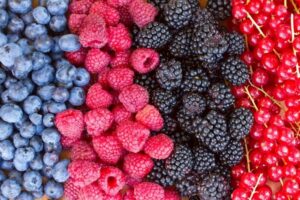 Pre-frozen fruits and vegetables are typically frozen at their peak ripeness and, consequently, their most nutrient-dense state. With a freezer filled with a variety of fruits and vegetables, a vibrant, plant-forward meal is never too far away.
To let local ingredients shine, visit your local Pick-Your-Own berry, apple, pumpkin, or peach farm – whenever they’re in season for you. Red, blue, and purple fruits and vegetables (like strawberries and blueberries) are packed with antioxidants that have a plethora of health benefits, including decreasing the risk of inflammation, supporting brain health, and even reducing your risk of heart disease.
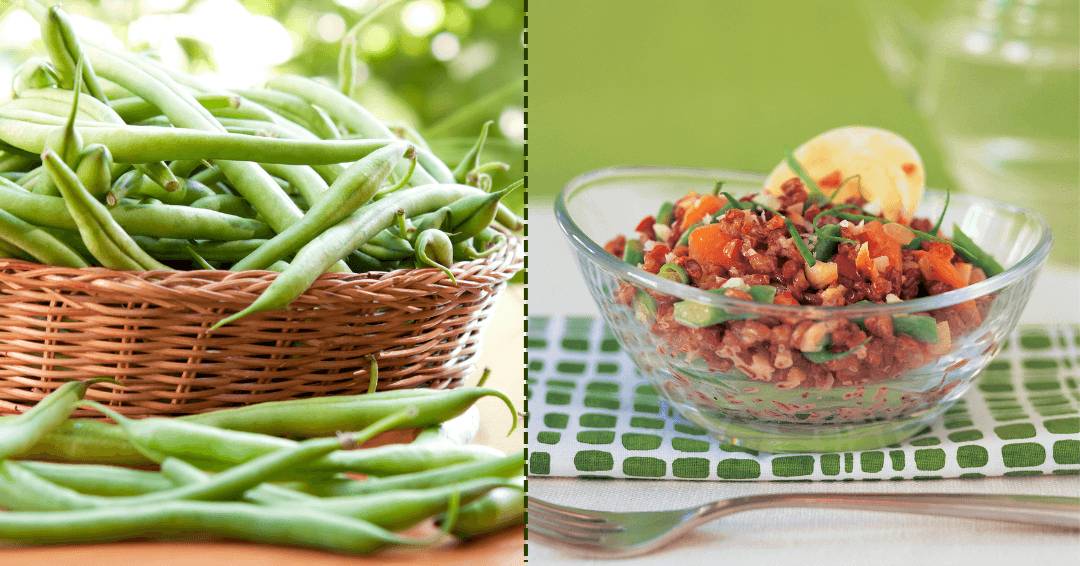
Pick as much as your heart desires – or as much as your containers will fit – and bring them home. Rinse, trim, and chop your fruits, and lay them on a baking sheet to flash-freeze for two to five hours. Once they’re solid, toss them in airtight freezer bags and store them for up to a year. You can repeat this process for vegetables, but – with the exception of onions and peppers – blanch them first to retain their quality. Some of the vegetables that freeze the best are broccoli, corn, green beans, peas, and zucchini. For more information on freezing fruits and veggies, check out these eight tips for stocking your freezer.
Dry Fruits
 Dried fruits are a staple of heritage diets around the world, found in dishes like Moroccan tagine and Korean teas. Drying removes the water content of fruit but retains the nutrient content and creates a more potent flavor. As such, dried fruits, like apricots, raisins, and plums, are great to keep on hand to provide valuable nutrition and a touch of sweetness.
If you live in a dry, hot climate, you may be able to sun-dry your fruits by slicing them up, placing them on a stainless steel drying rack, and securely covering with a cheesecloth to prevent any curious critters from getting into them. However, if you do not live in a dry, hot climate, you can dry your fruits in an oven or dehydrator just as easily! Any one of these methods can allow you sweet snacking for months!
Pears, peaches, and oranges are all delicious options for drying; these yellow and orange fruits support eye health and immunity, and may help reduce the risk of heart disease and cancer.
Let Others Bring the Color
 Whether you gravitate towards drying, freezing or growing the rainbow, there’s one way to add color to meals that’s universally beloved…eating with others! Invite family, friends and neighbors over, attend a shared meal put on by a community center or local church – or partake in group travel! Social connection, like sharing a meal with someone you love or having a positive conversation with someone new, sits at the base of every heritage diet; studies have shown it promotes happiness and improves general well-being across the board, across the world.


Leave a comment