
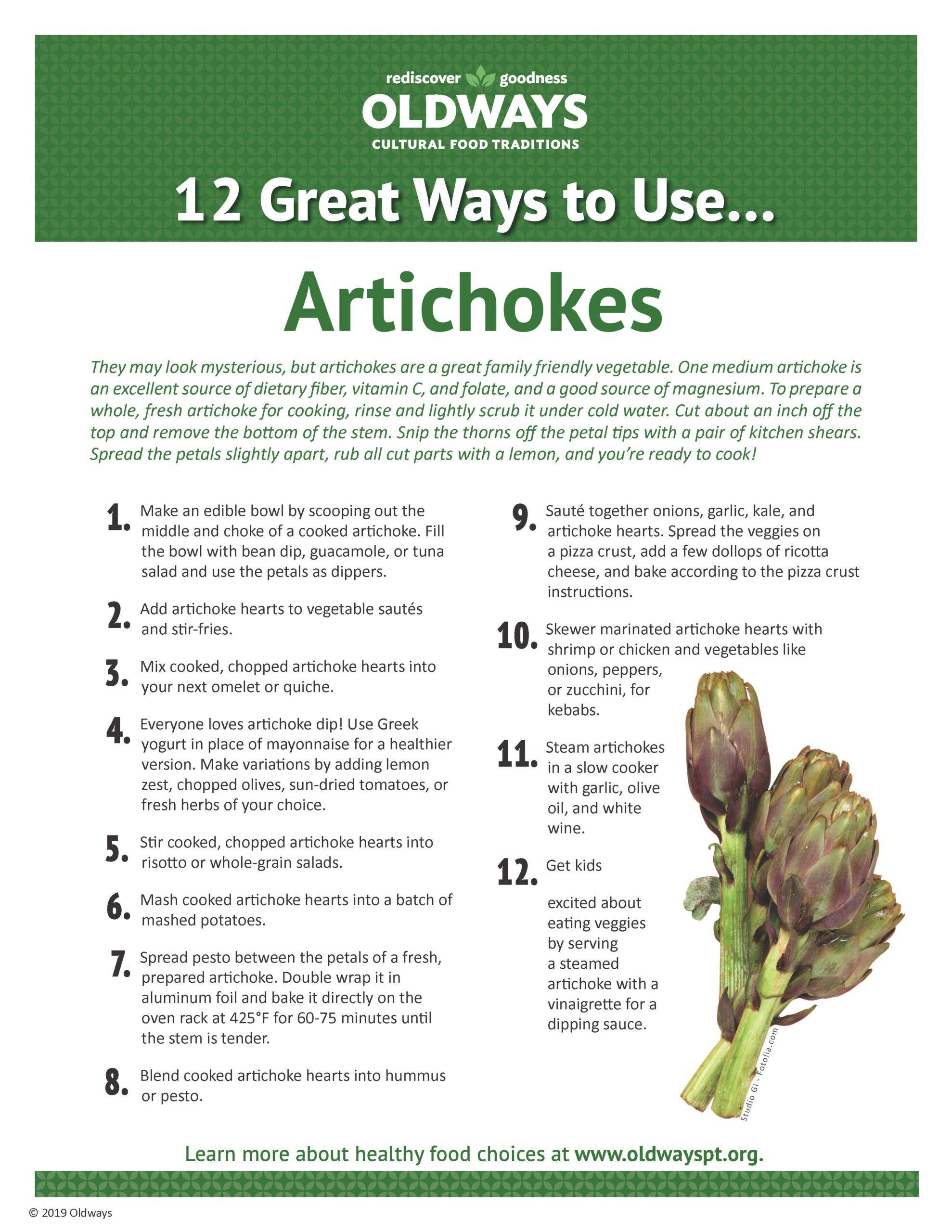
12 Great Ways to Use...

Our collection of one-page resources is designed to help cooks of all abilities discover new and easy ways to use popular Mediterranean Diet ingredients.

Avocados

Avocados head the list of healthy fruits, although often categorized as a vegetable. Smooth, buttery, and needing nothing but a quick “nick and peel” to eat as a healthy snack, they contain “good” fats, are linked to reduced risk of chronic diseases, and rank as one of the “super foods” of the Mediterranean Diet.

► READ MORE

Beans

Looking for ways to put healthy meals together in minutes? Reach for the canned beans. Traditional cooks soak dried beans overnight before cooking them. But when you’re in a hurry, canned beans are a great convenience. And they deliver plenty of inexpensive protein as well as fiber.

► READ MORE

Blueberries

High in vitamin C and potassium and a good source of vitamin E, blueberries may reduce the risk of cardiovascular disease, improve cognitive function, and protect the bladder from infection. Buy fresh berries when you can find them, or check the freezer case for frozen choices that now include flavorful wild berries.

► READ MORE

Dates

If you haven’t experimented with dates in your kitchen, start with the large, soft, creamy and delicious Medjool dates, grown in the U.S. in the Bard Valley between Phoenix and San Diego. They deliver special tastes and textures to a wide range of dishes, adding great bursts of flavor to stews, tagines, curries, and grain dishes.

► READ MORE

Eggplant

A Mediterranean Diet staple, eggplant is loaded with vitamins and minerals. Naturally low in calories, this hearty, satisfying vegetable is a source of fiber and potassium. Since eggplant is extremely versatile and can be cooked in many ways, it’s easy to add this nutritious powerhouse to your diet.

► READ MORE

Eggs

Packed with protein, eggs are a staple in the Mediterranean Diet. They’re easy to find, easy to keep on hand in the refrigerator, economical, nutritious, and versatile. One large egg contains about 70 calories, 5 grams of fat and 6 grams of protein. It also contains 13 essential vitamins and minerals, most in the yolk.

► READ MORE

Greek Yogurt

Greek yogurt is a key ingredient in the Mediterranean Diet. It is thicker and creamier than regular yogurt since most of the whey has been strained out, and it has a delicious tangy flavor. Plus, it contains twice the protein of regular yogurt and less lactose.

► READ MORE

Hummus

This nutritious, creamy, and tangy Mediterranean spread and dip provides heart-healthy fats, protein, and fiber. You can buy traditional hummus, made from chickpeas, plus varieties made from edamame, white beans, or yellow lentils, plus flavors ranging from lemon to horseradish.

► READ MORE

Olive Oil

It’s hard to think of a reason not to use olive oil every day. It keeps well, has a delicious taste, and offers remarkable health benefits. Studies show that people who make olive oil a part of their diets have lower rates of diabetes and other chronic illnesses.

► READ MORE

Olives

When you adopt the Mediterranean Diet, olives become an important ingredient to use daily–on their own as snacks and appetizers, or as components in dips, sauces, salads, whole grain and pasta dishes, stews, and even baked goods.

► READ MORE

Peanuts & Peanut Butter

Peanuts and peanut butter play an important role in the Mediterranean Diet. They are sources of heart-healthy monounsaturated fat and protein, and can lower your risk of weight gain, since they help keep you feeling full for hours.

► READ MORE

Spices

It’s a smart idea to find ways to flavor your food with spices, which provide both a regional and a cultural identity to whatever you prepare, along with many health benefits.

► READ MORE

Canned Tuna

Canned tuna is a great Mediterranean Diet food. It is rich in protein, low in fat and calories, and is an excellent source of essential omega-3 fatty acids, which science has shown to improve heart health and brain function.

► READ MORE

Walnuts

Walnuts are nutritious foods that complement a wide range of flavors. They contain a significant amount of alpha-linolenic acid (ALA), the plant-based source of omega-3 fatty acids, and provide protein, too.

► READ MORE


Recent Blog Posts

Antonia Trichopoulou Brings Us Back to the Beginning   "Pres...
Carrie Balkcom Remembers Camaraderie and Culture   Because of a can...
Rosemary Stanton Breaks into Her Memory Bank   I have been a nutrit...


E-Newsletter Sign-up

Sign up for Our Email Newsletter
Email: