

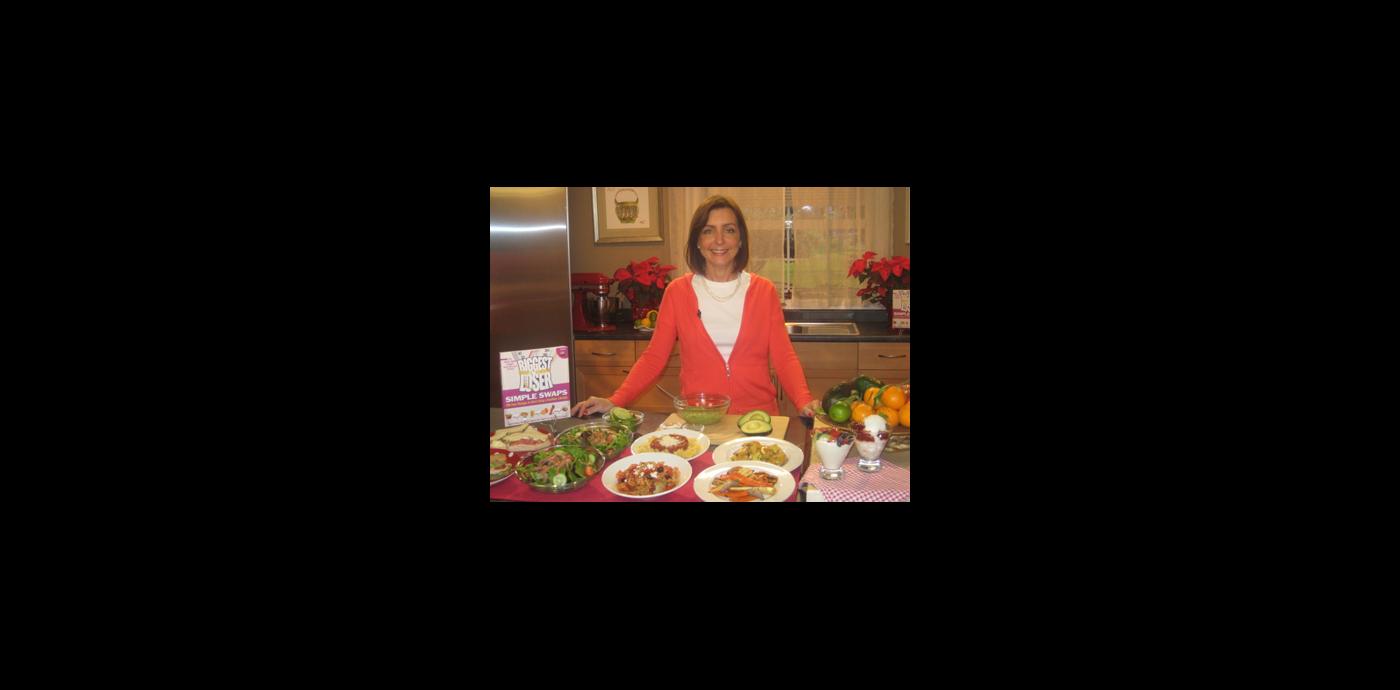
Q&A: Healthy Living Strategies From the Original Biggest Loser Dietitian
Share This

Since starting at Oldways almost a year ago (time flies when you’re having fun!), I have blogged about my personal connection to weight loss and lifestyle change. Throughout my journey, I have never missed an episode of NBC’s The Biggest Loser, so I was beyond excited to talk to Cheryl Forberg, RD, James Beard award-winning chef, NYT best-selling author, and original dietitian for the show.
Cheryl was with the show for twelve seasons, and she co-wrote the Biggest Loser eating plan. Her book, Six Weeks To A Healthier You (Rodale) was ranked the No. 2 eating plan for weight loss and No.1 for diabetes last year in U.S. News and World Report’s annual list of The Best Diets. Her expertise and passion set the tone for our conversation, and the changes she has been able to encourage and enable are truly inspiring.
OLDWAYS: How have food recommendations for the contestants on “The Biggest Loser” changed or evolved since the first season?
CHERYL: Since I co-wrote the eating plan for “The Biggest Loser,” I am very familiar with the progression of the diet and the foods that have been provided to the contestants each season. If I were to describe the change in one word, I would say that the eating plan became “cleaner” over the years. I have always been hard line about nothing artificial, but not everyone agreed during the beginning seasons. When the series first began, contestants were allowed artificial sweeteners and some highly processed foods. After a few seasons, they were banned though we made room for alternative sweeteners such as stevia, xylitol and small amounts of honey.
OLDWAYS: What are the contestants’ most common misunderstandings or misconceptions about food?
CHERYL: At the beginning of “The Biggest Loser,” I was surprised to learn about the typical (and sometimes extreme) eating patterns of our contestants before they arrived at the Ranch. But I began to hear the same things each season and I realized the contestants personified overweight America. There are four clear tendencies that demonstrate widely held misconceptions of a healthy lifestyle.
- People tend to ignore the quantity of the calories in their drinks and beverages. Some individuals (pre-Ranch) were meeting their daily caloric needs with their beverages alone, before having a single bite of food. I always emphasize: Eat your calories — with the exception of milk.
- Many people think that skipping meals might help them lose weight. Skipping meals promotes weight gain, not weight loss. When people skip breakfast and even lunch too, by the time they do eat, they are so hungry that they end up eating too much, too fast, and they choose the wrong things. You should never have to unzip or unbutton anything after a meal.
- I also noticed that a commonality among contestants was their belief in fruit as a free food because it’s a healthy choice. It is, but it’s also a simple sugar and some fruits are very concentrated in calories. Grapes, for example, are high in sugar and can be caloric with a large portion, so it is really important to watch portion sizes with fruit, a suggestion of which many contestants were unaware. Emphasis should be more on vegetables. It is important to accompany fruit with protein (turkey, Greek yogurt, low fat cheese stick) because it slows the release of blood sugar and stabilizing hormones, helping you feel full longer and feeding your muscles. I aim for four cups of fruit and veggies per day – mostly veggies. Skip the high starch choices when you’re trying to lose weight.
- Making the right food choices is great, but you gotta move. If you change your food intake only, you can lose weight, but if you don’t exercise, you’ll lose fat and muscle. When our muscle tissue shrinks (and it does as we age), metabolism slows down, and if exercise isn’t built into one’s lifestyle, it will require a further cut — down in calories, which can be avoided if exercise is built into routine.
OLDWAYS: What are some of the easiest changes for someone to make to their diet?
CHERYL: Lose the white stuff. It’s easy to remember — harder to execute, but eliminating white flour, white pasta, white sugar (all sugar) and white rice can expedite weight loss while stabilizing hormones, improving blood sugar control and overall health.
OLDWAYS: What are some “super” foods that you consider to be crucial for nutrition?
CHERYL: Highly pigmented foods are vital — their bright colors are indicative of antioxidants and healthy plant chemicals. Colorful fruits, vegetables, and even whole grains are all extremely healthy antioxidant-rich choices, including pomegranates, spinach, avocados, quinoa (I am writing a book all about quinoa!), and salmon and omega 3-rich fish.
OLDWAYS: Being a trained chef and nutritionist, you have a unique perspective. Are there any common misconceptions you try to clarify when it comes to cooking?
CHERYL: I consider myself a chef first and nutritionist second. From my experience, people often assume that recipes written by nutritionists are automatically not going to taste great, so I like to emphasize my culinary background. Many dietitians now have formal culinary training, which makes our work so much more effective. And even though my expertise is in weight loss, I love to talk about good fat. People often think that you have to be “fat-phobic,” to lose weight but that’s simply not true. Good fats (avocados, nuts, seeds, olive oil, salmon) play a crucial role in a healthy eating plan as well as in weight loss. Good fats contain vitamins such as Vitamins D, E, A, K, ; healthy plant chemicals such as lycopene, and essential fats such as omega 3s. They help us to absorb other vitamins. Yes, fats are calorie dense, but they help with feeling full and satisfied. Your brain might not know it, but your body will, and you will stay full longer and eat fewer calories in the long run.
Add a Comment